Metaverse Platform for Stage
About
Cross-platform metaverse experience built around presence, community, and high-fidelity avatars and environments.
Role
Founding Designer. Led the design discipline across product, brand, and marketing. Contributed to product strategy, market positioning, and contractor management alongside engineering and art teams.
Context
Early-stage startup building an NFT-based metaverse experience across iOS, Android, web, and VR.
Stageverse was an early-stage startup building a cross-platform metaverse focused on presence, community, and high-fidelity environments across mobile and VR.
01
Mobile & VR Product Design
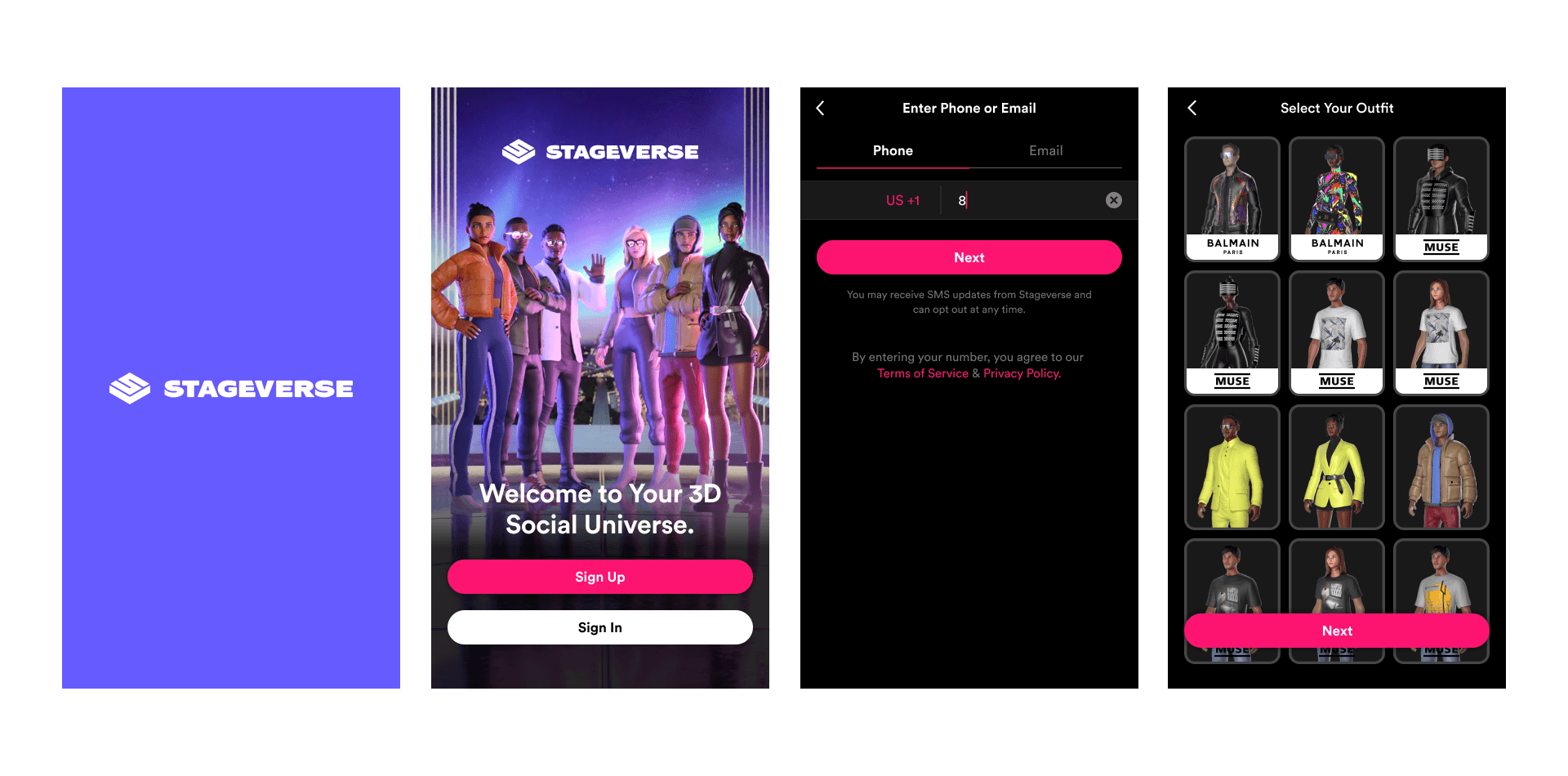
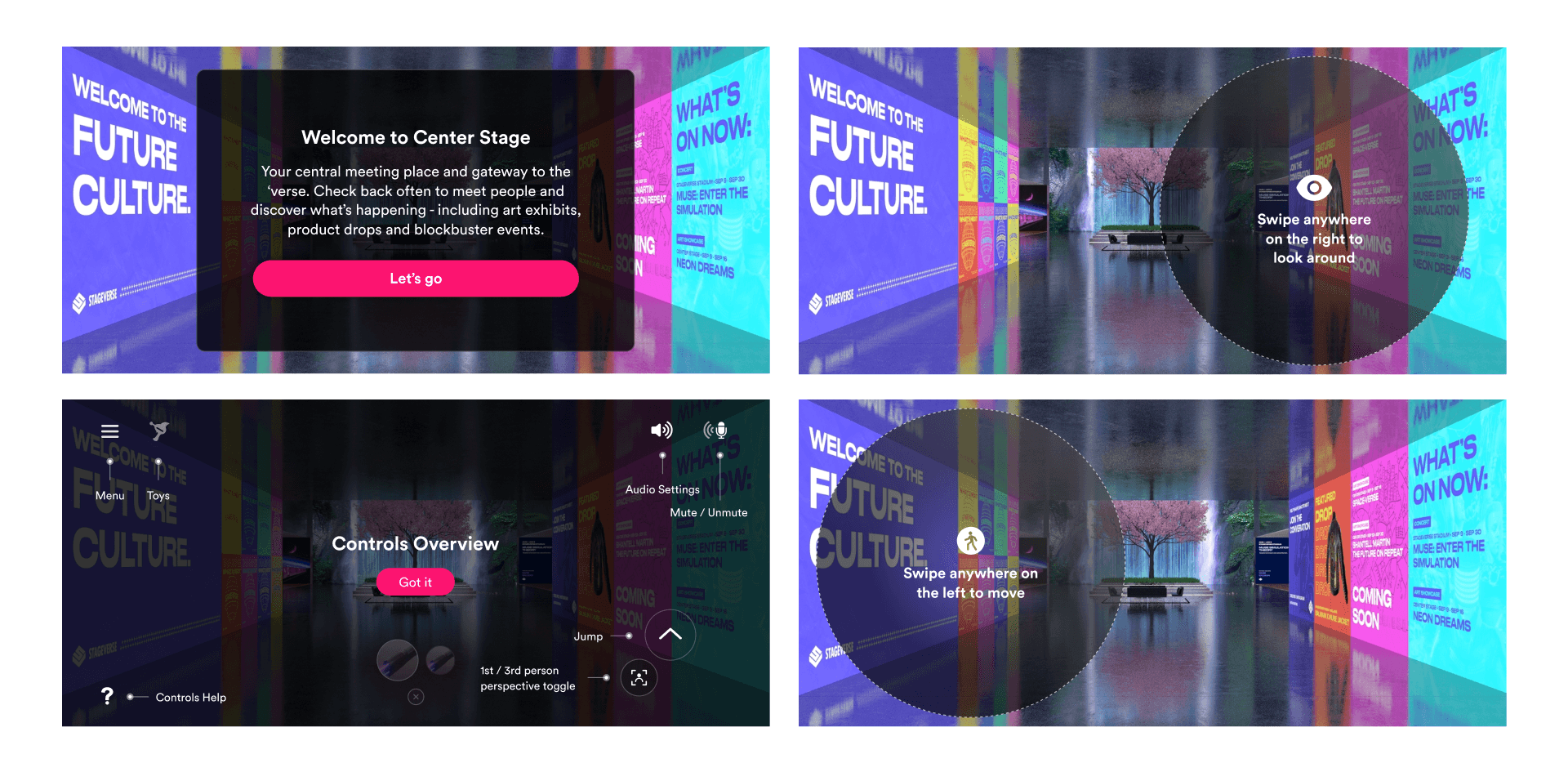
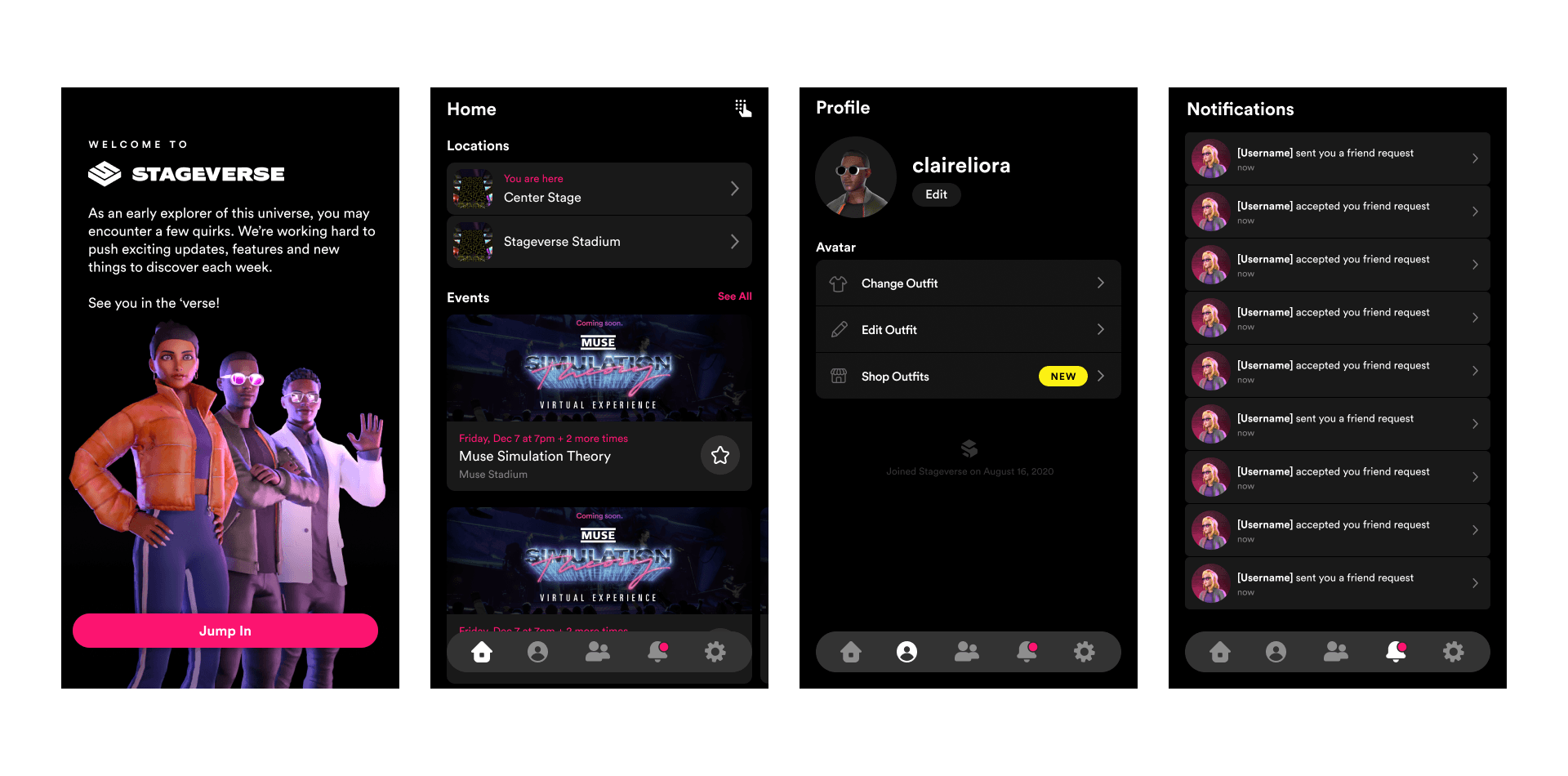
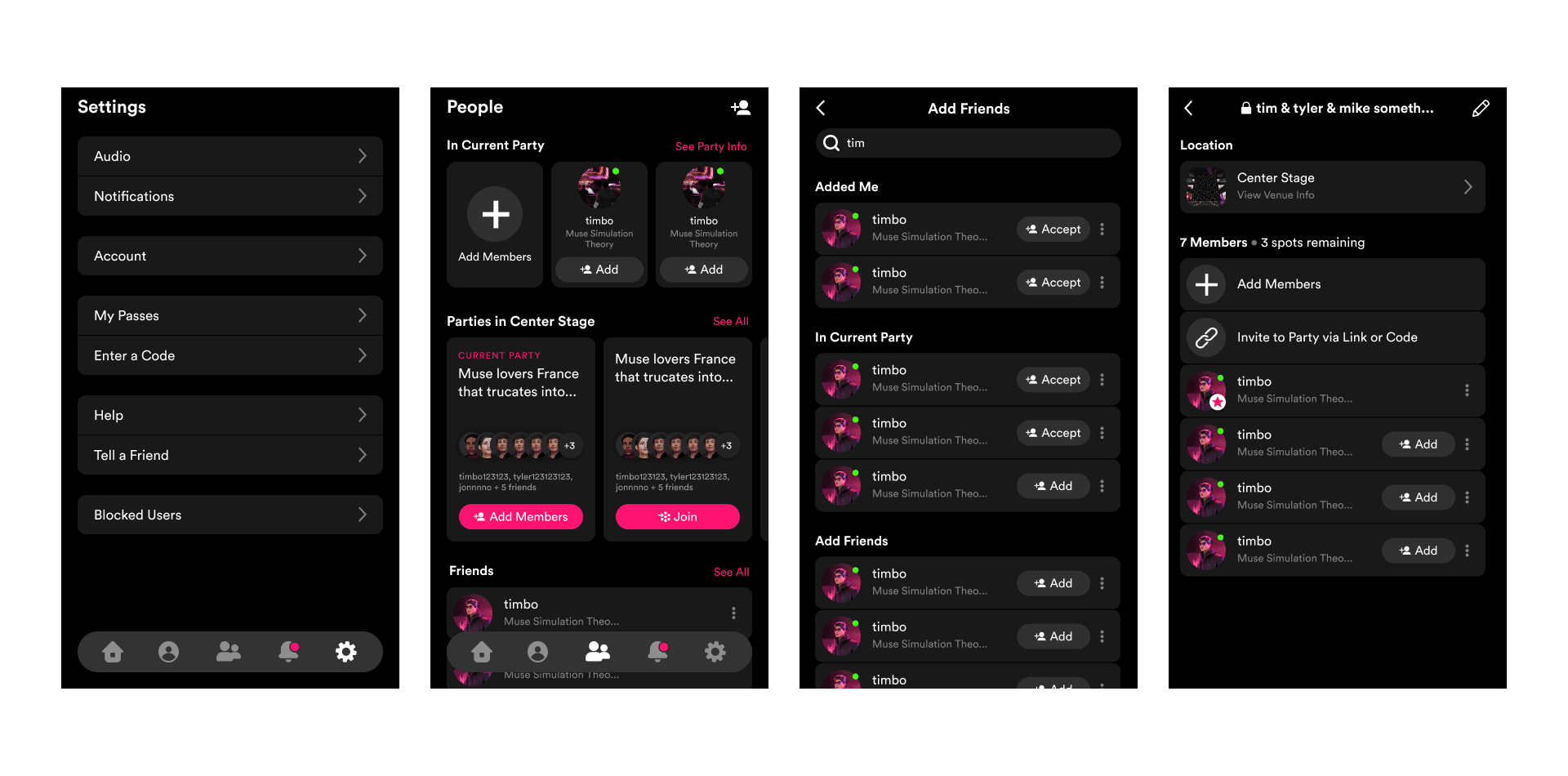
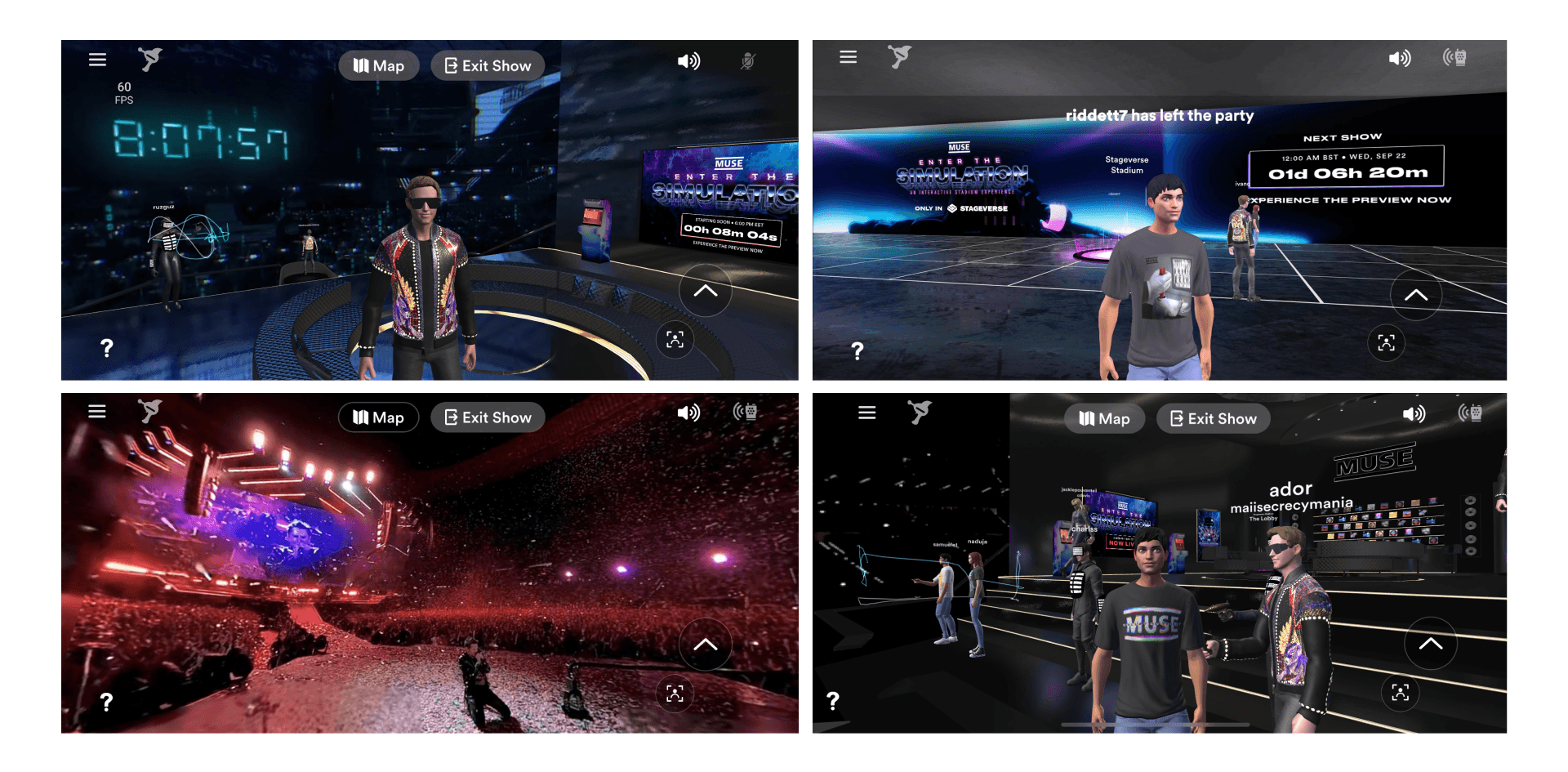
Built in Unity with shared components across mobile and VR. A "tablet system" metaphor in VR translated to landscape orientation on mobile. Components were designed for spatial efficiency and cross-medium scalability while maintaining familiar interaction patterns.
02
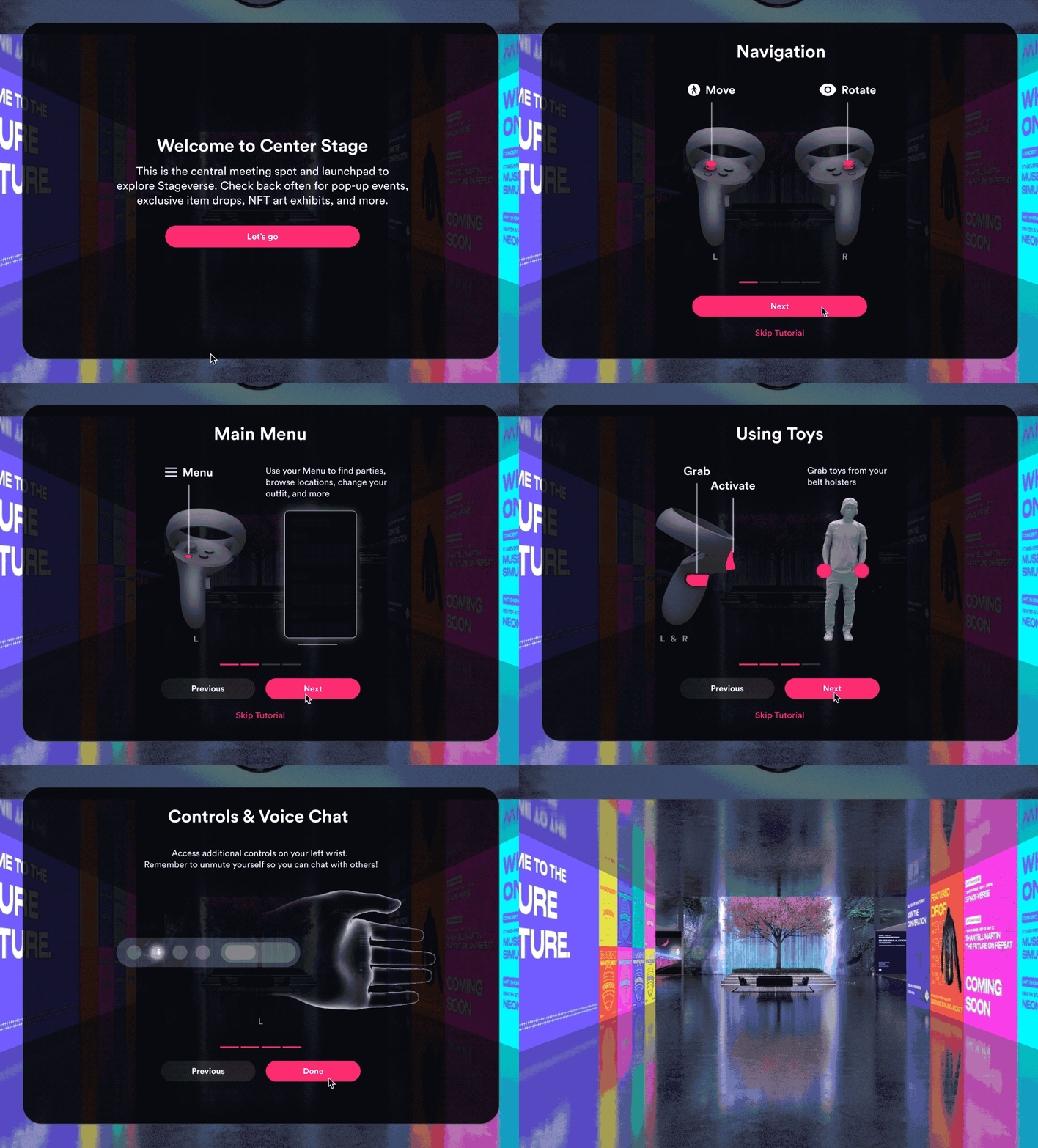
VR Interaction & UI
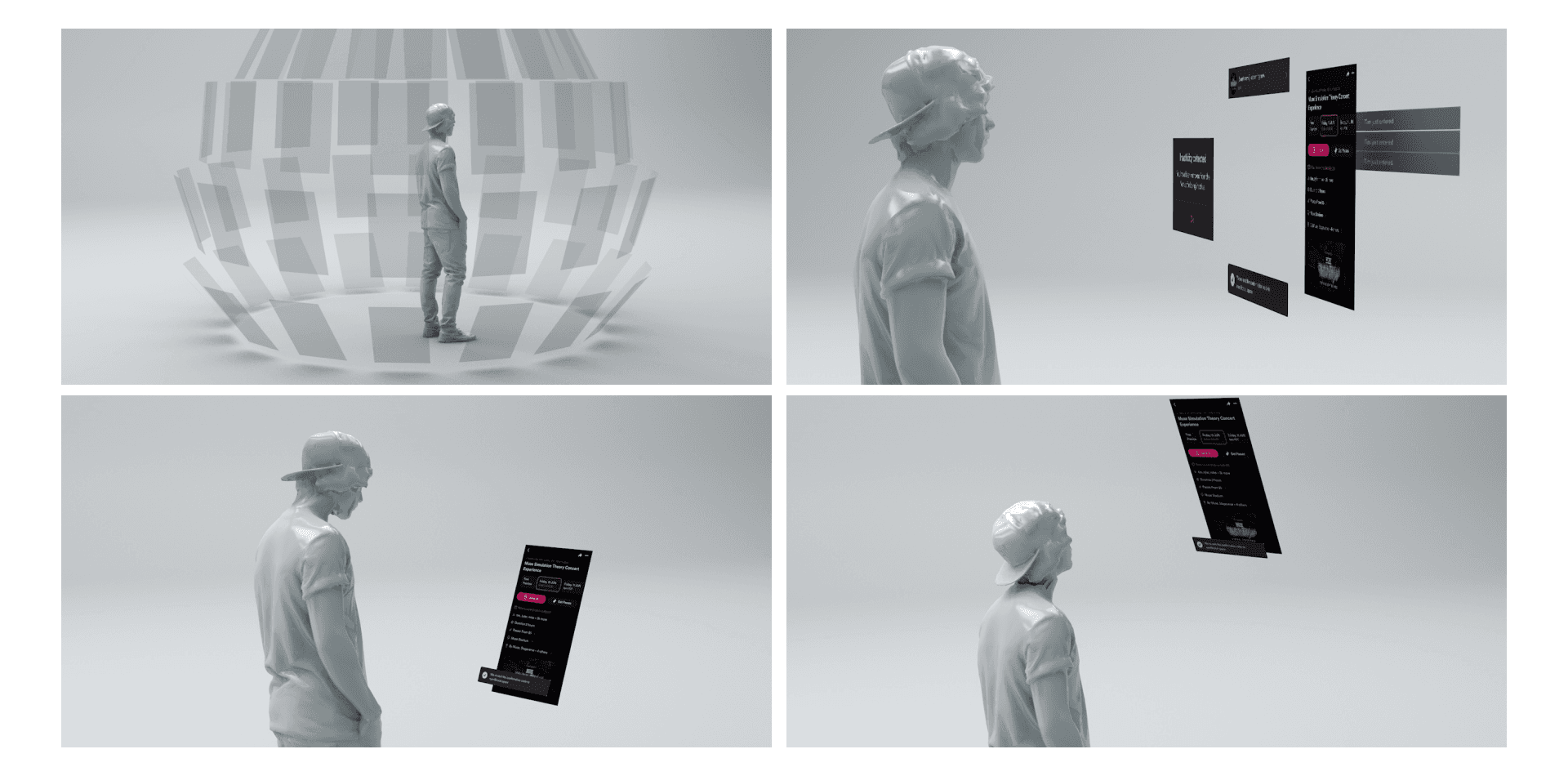
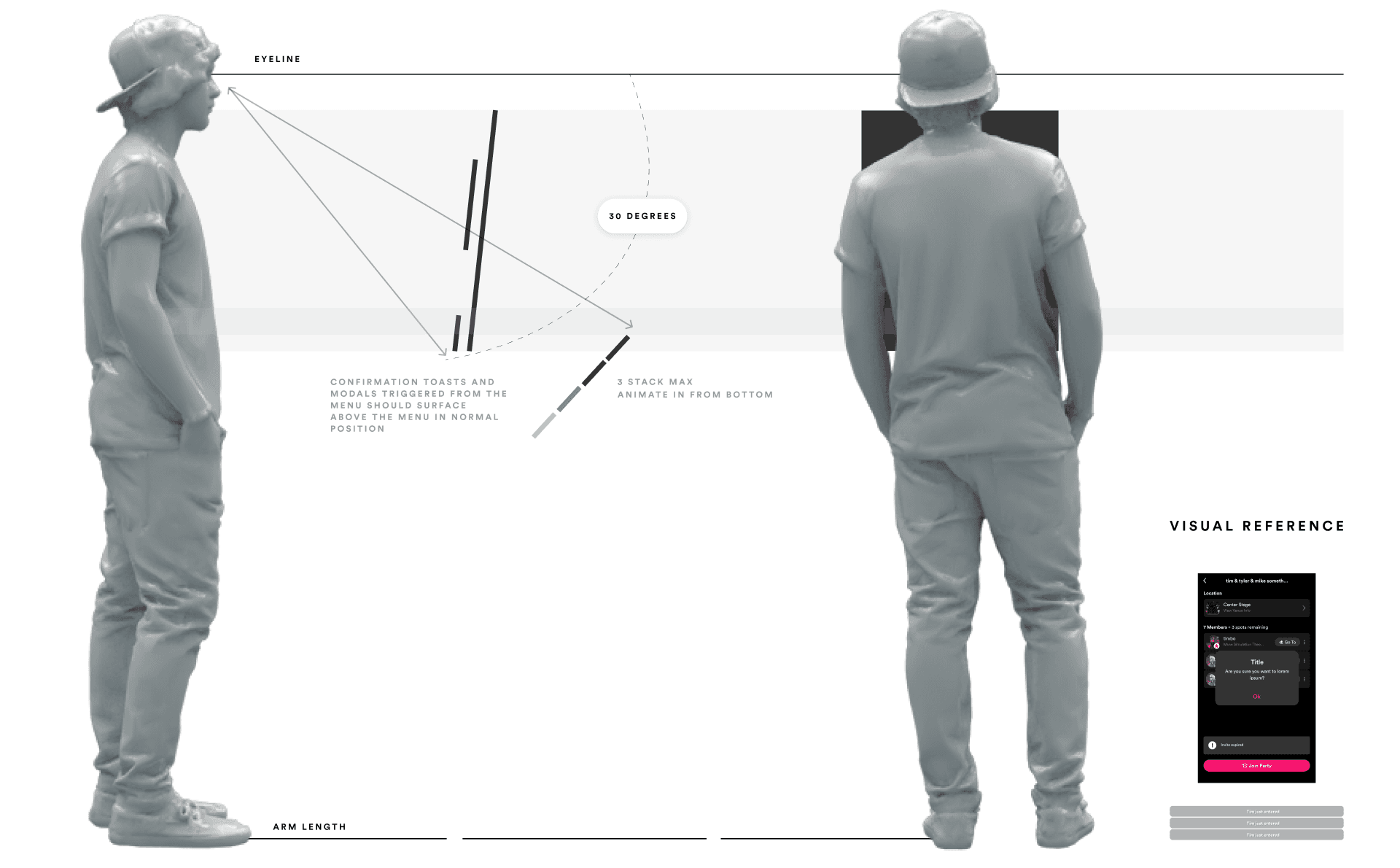
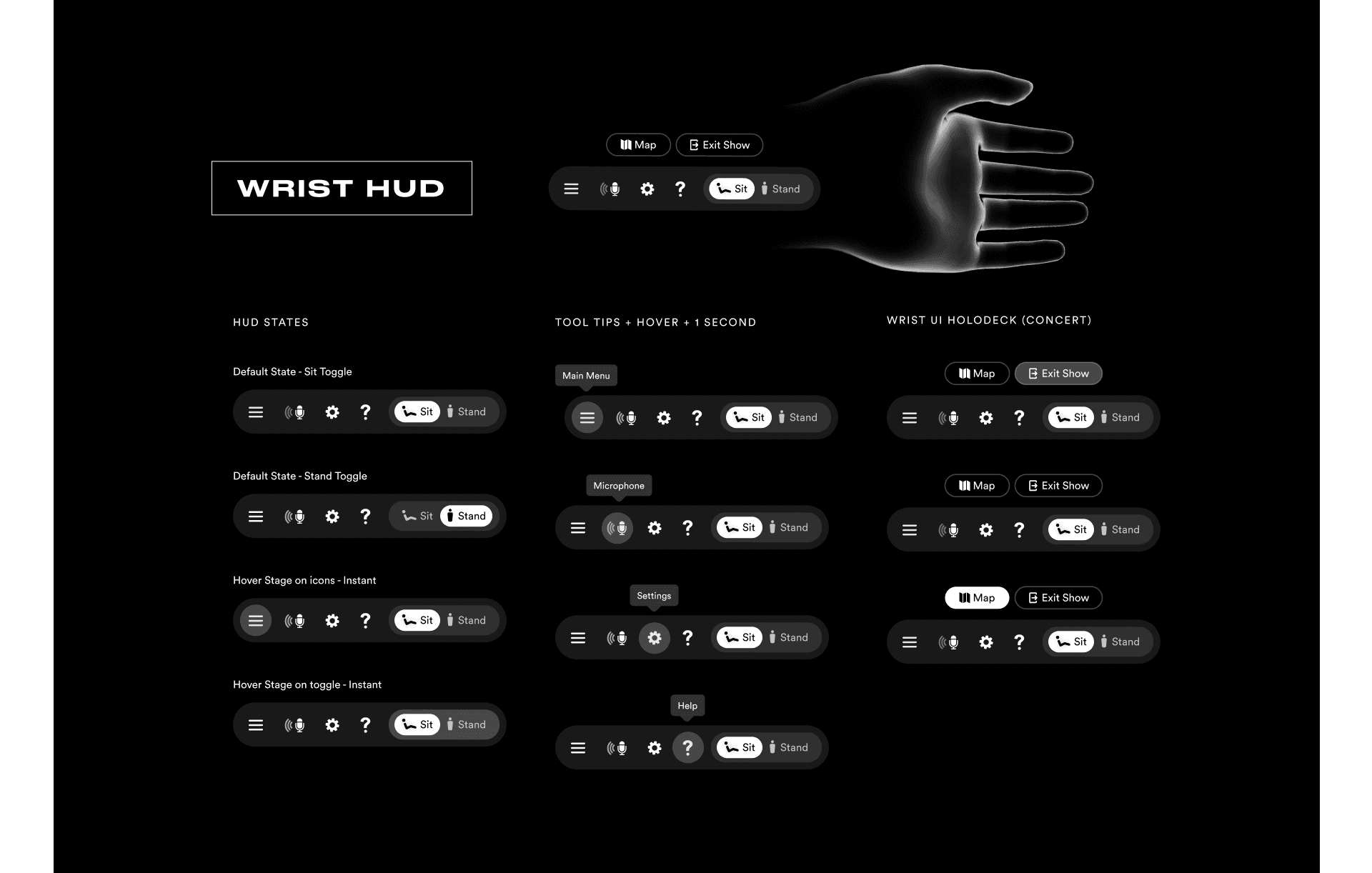
UI surfaces relative to the user, using Z-depth to layer notifications and modals. The wrist HUD provides quick access to key controls, changing contextually by location. Once surfaced, the menu lazy-follows the user's body-centric position at a comfortable height.
03
Playtesting
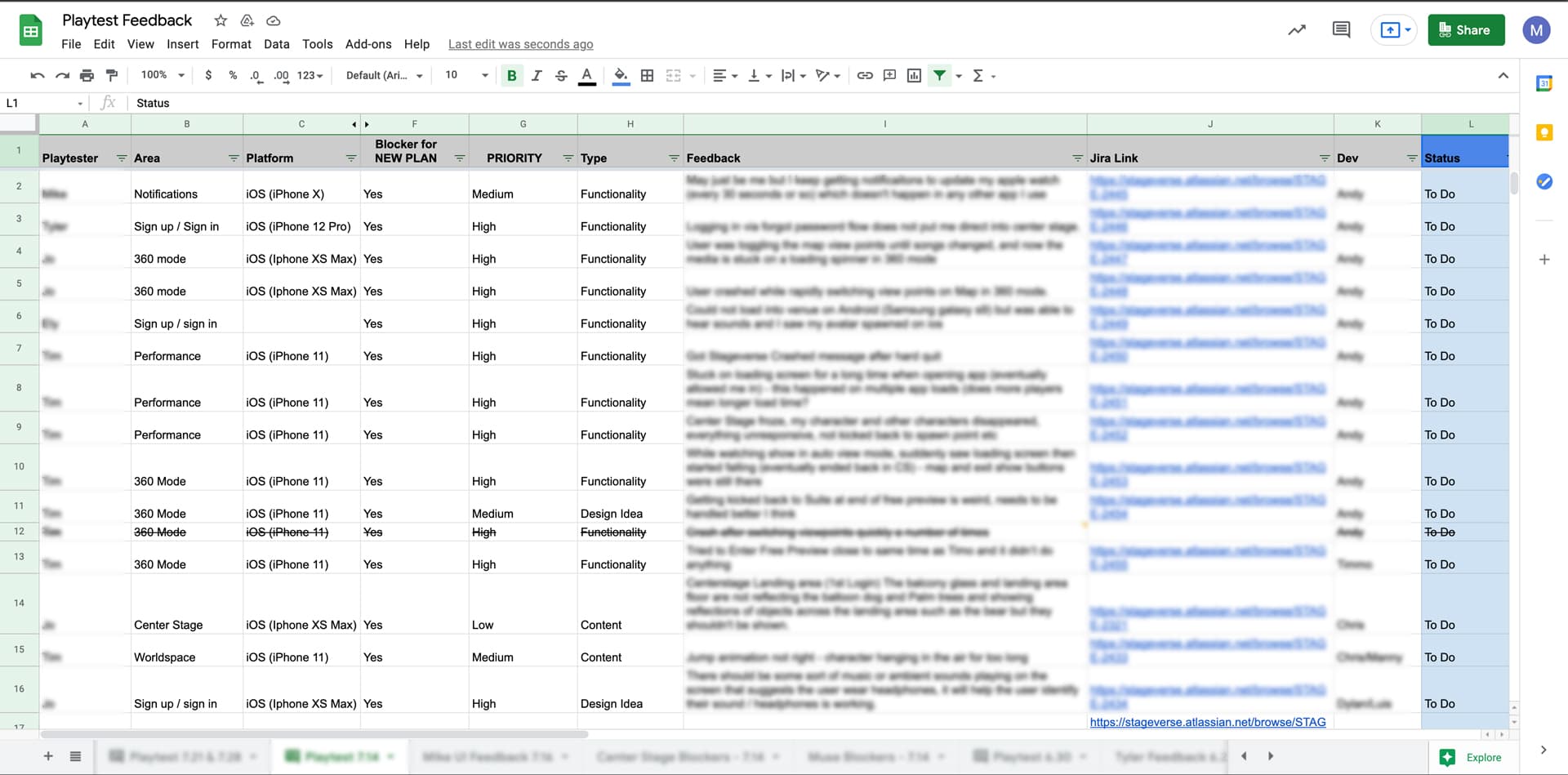
Weekly playtest sessions across iOS, Android, and Quest 2. Feedback on usability, bugs, and new features fed directly into sprint prioritization with product and QA.
04
User Research
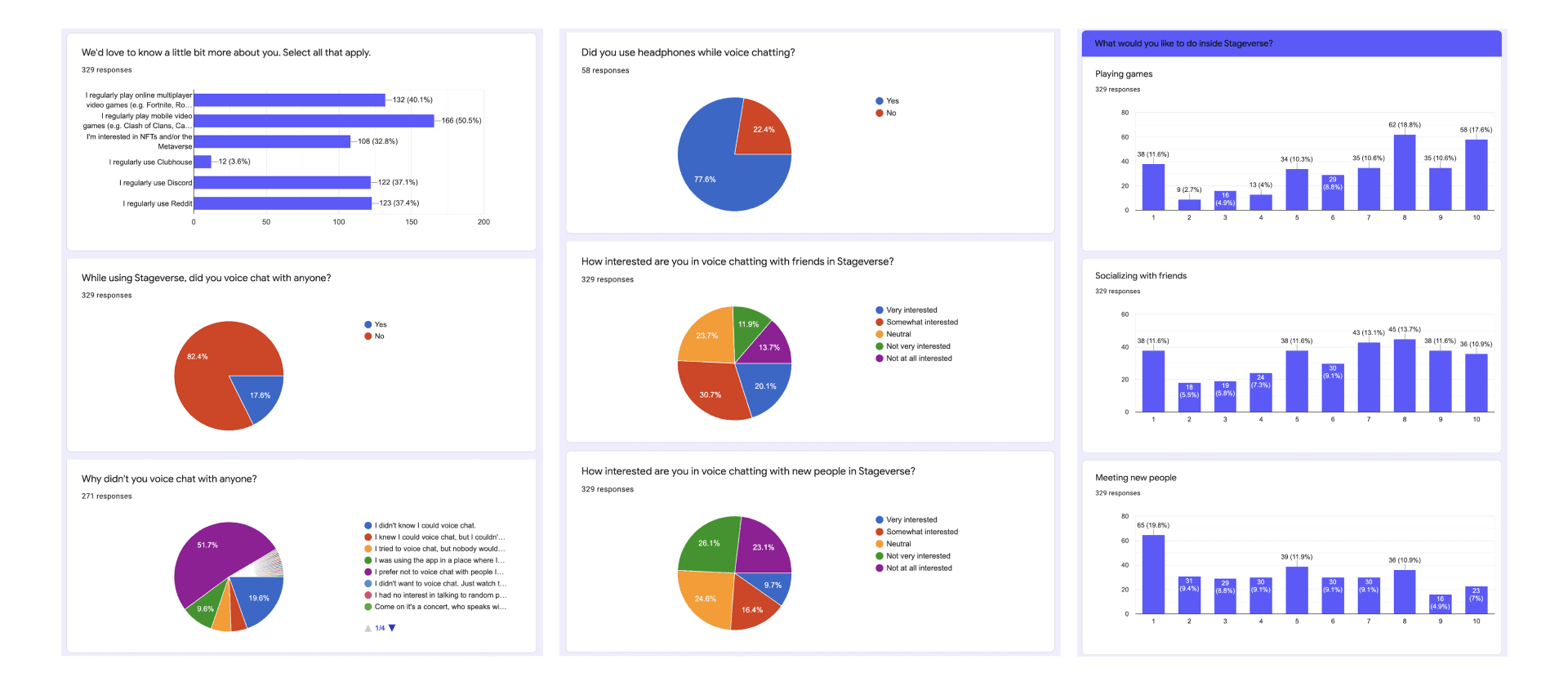
10K sign-ups in week one. We captured feedback through Discord, Twitter, and email surveys covering demographics, usability issues, and feature desirability.
05
Cross-Platform Design System
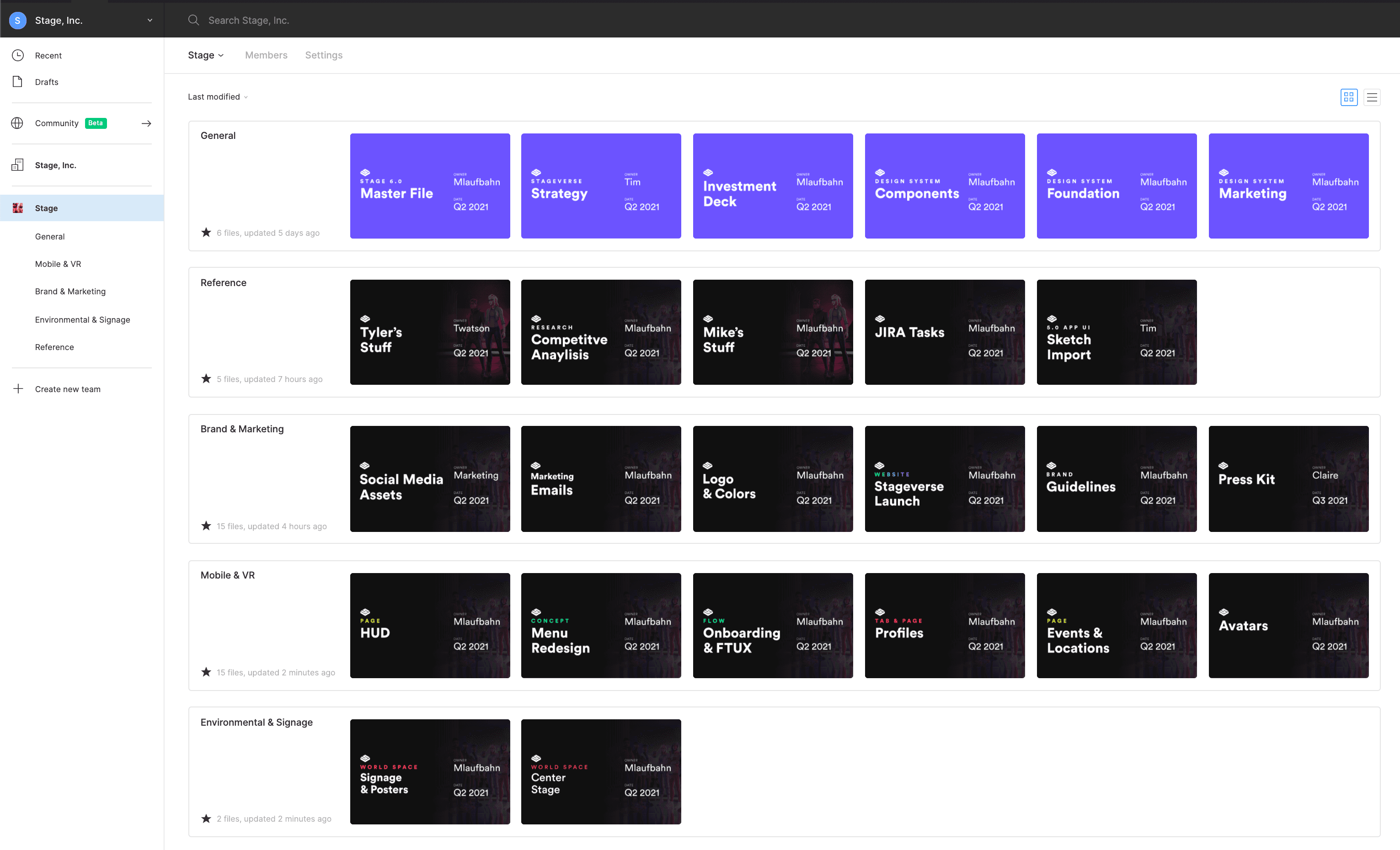
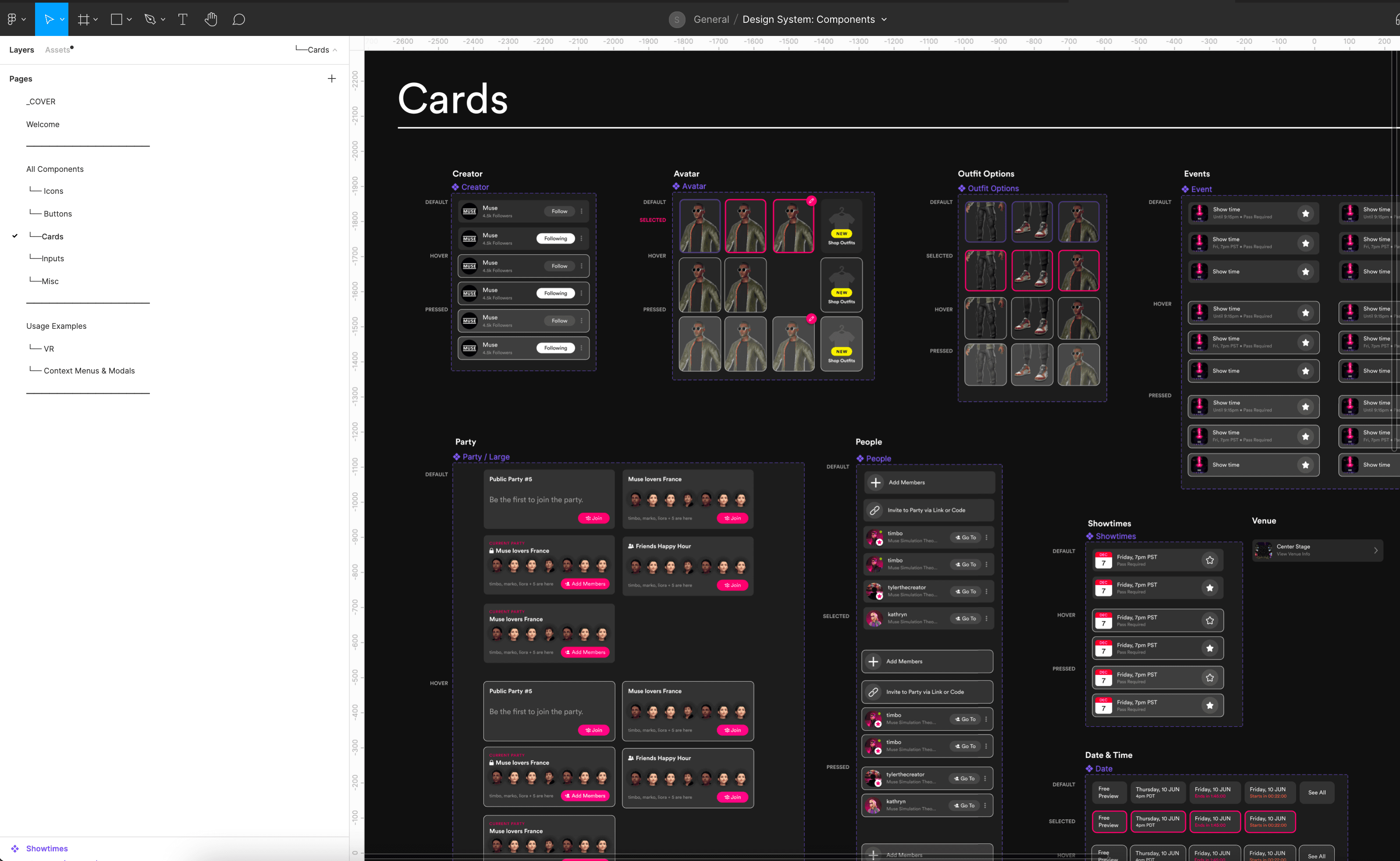
Rebuilt the design system in Figma with standardized tokens (type, color, icons) and full variant support. Default, hover, pressed, and selected states translated from mobile to VR. Centralized design, marketing, and brand work in a shared Figma workspace to foster cross-department collaboration.
06
Version 2 Release
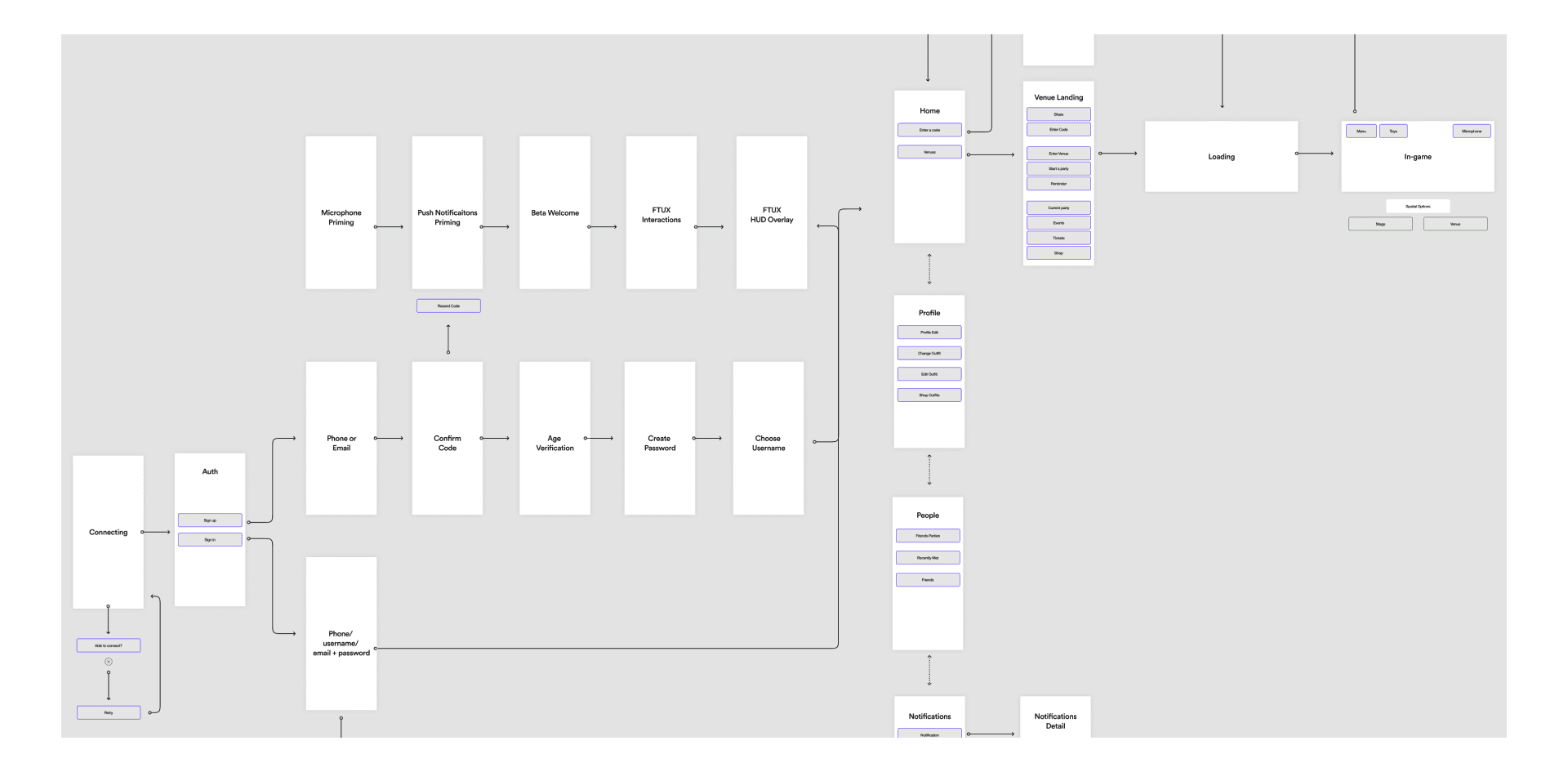
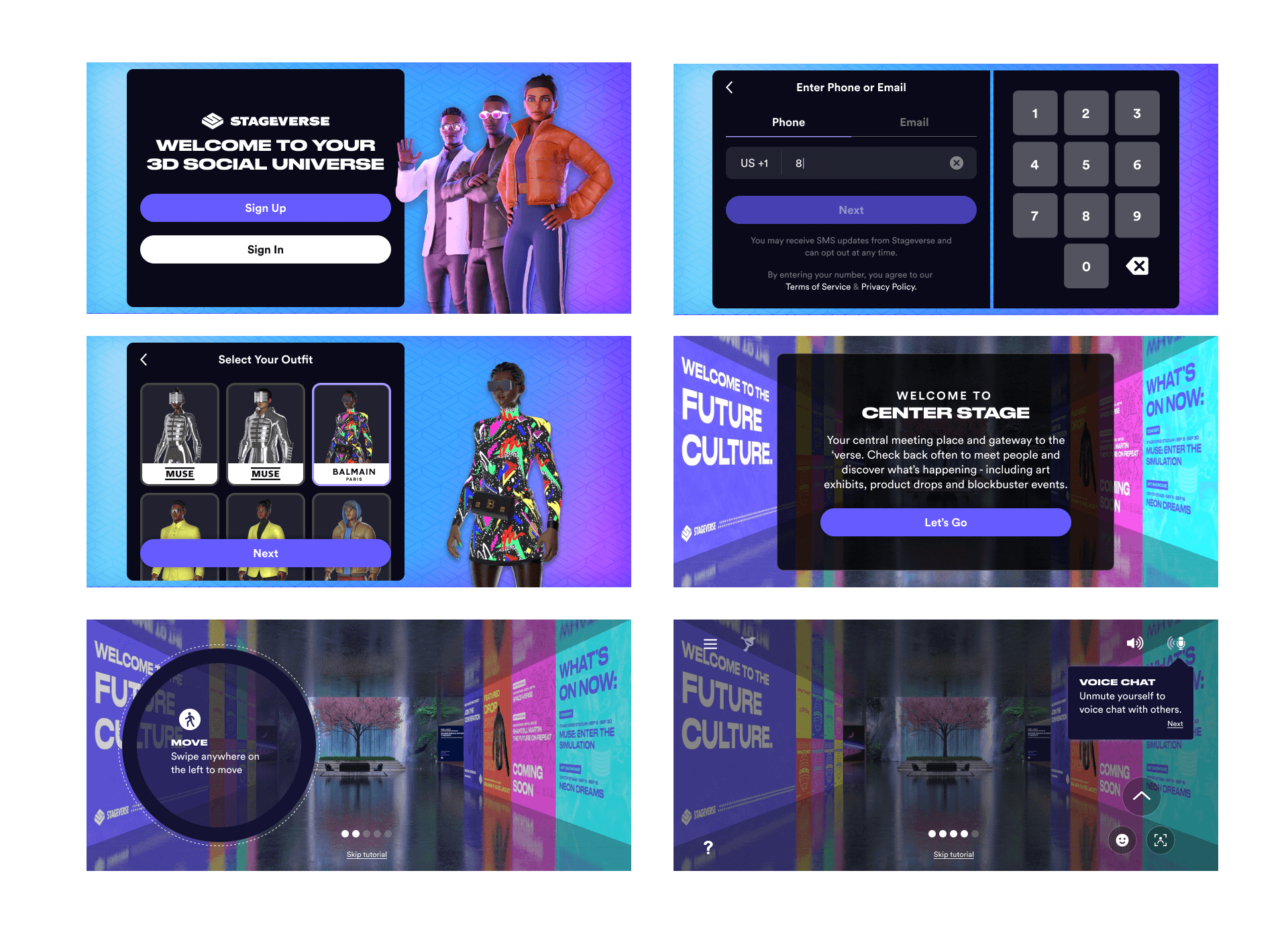
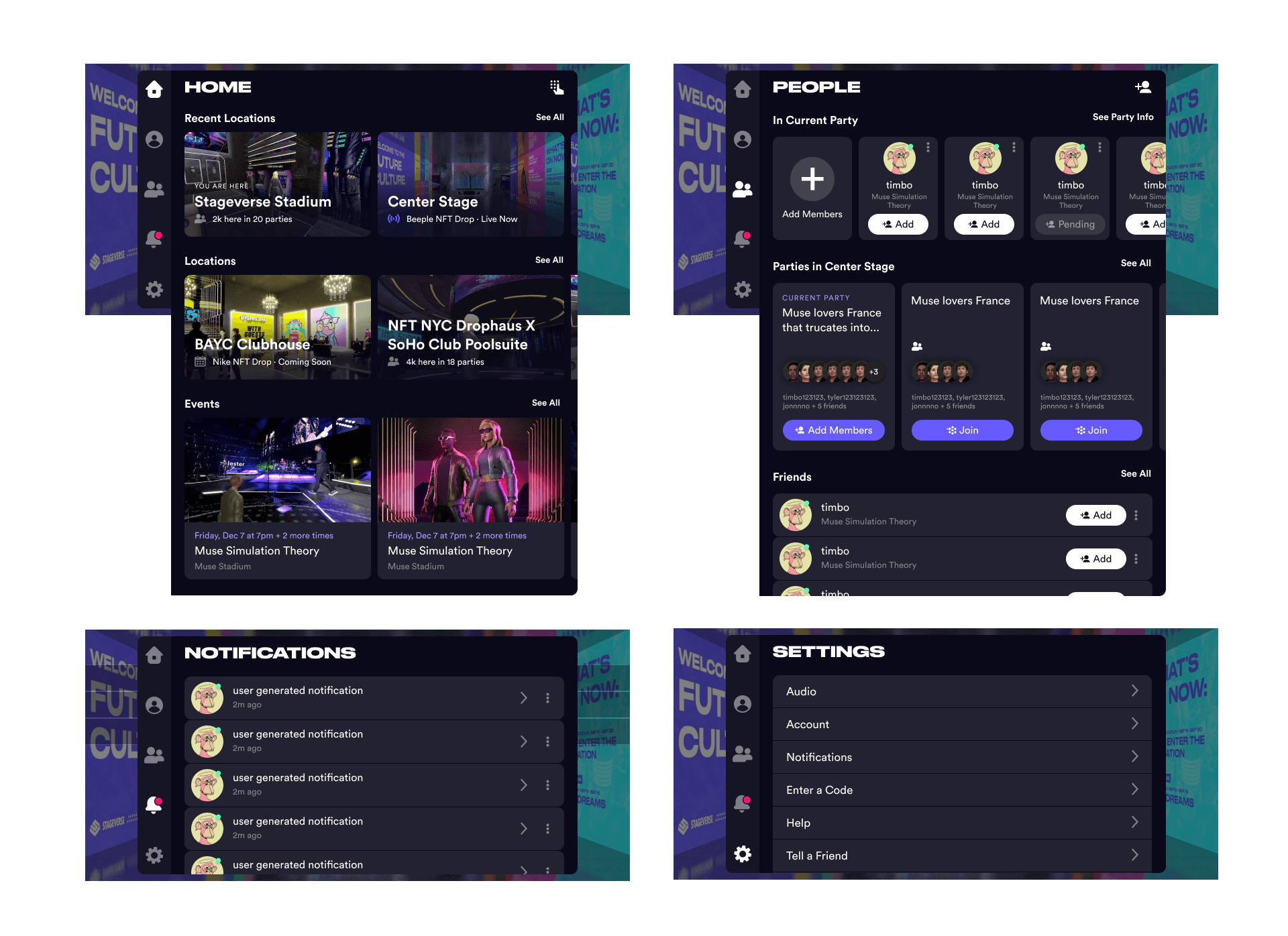
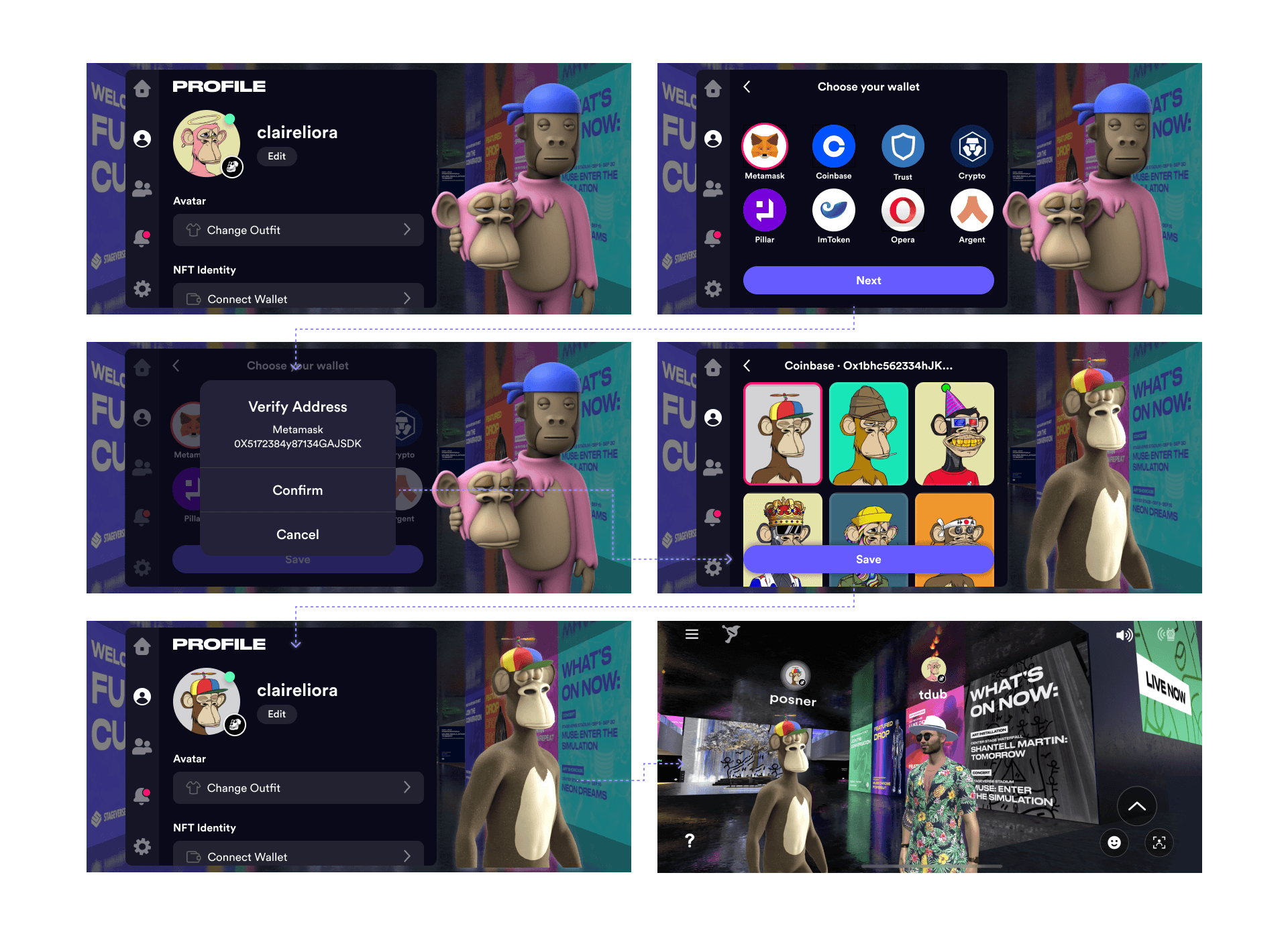
Post-launch, we refactored the Unity UI for a full visual refresh. Goal: a universal interface that feels native on both mobile (landscape) and VR, using 3D assets as interface elements. Visible in the onboarding and NFT authentication flows.
07
Spaces & In-game Collateral
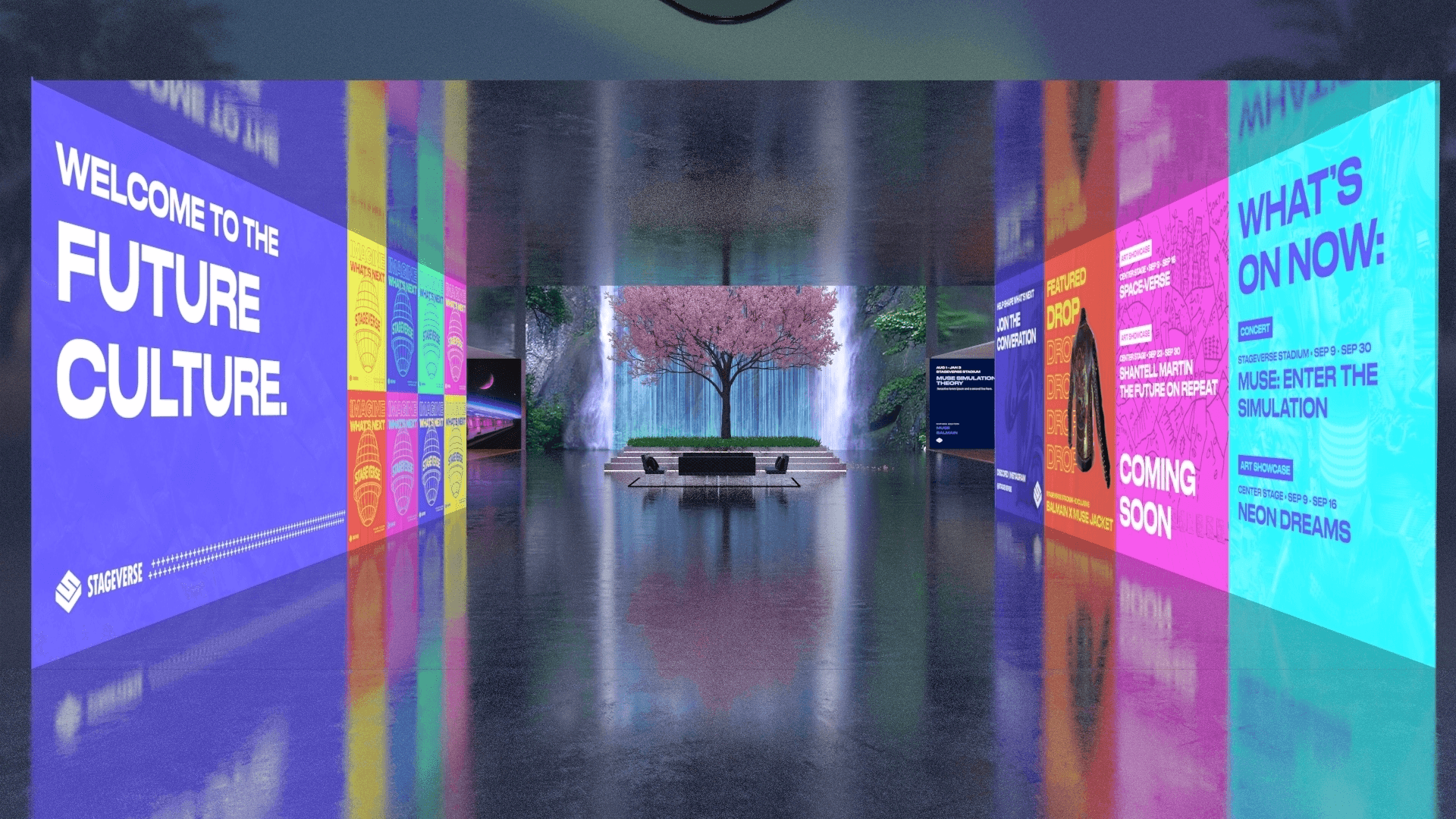
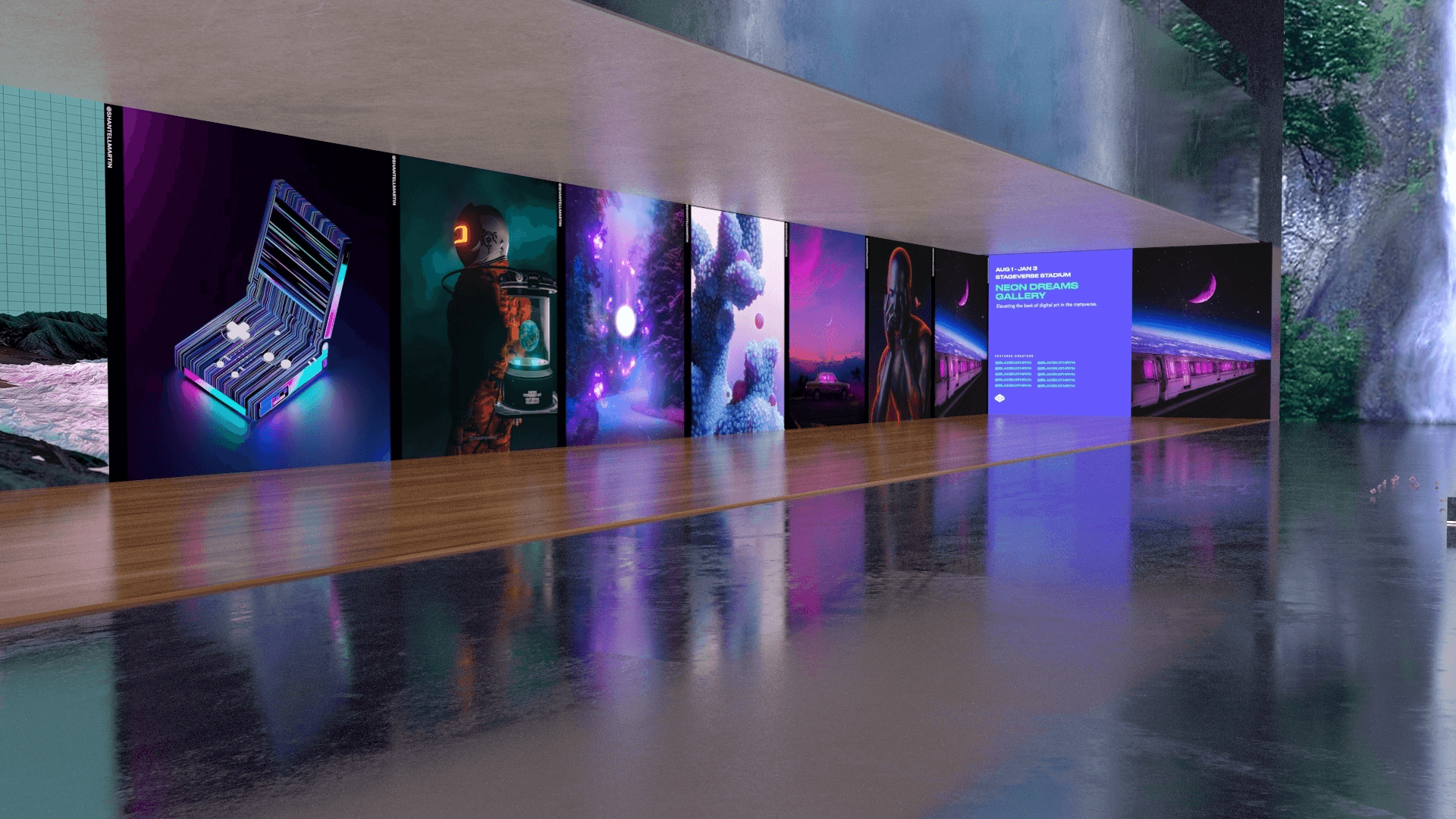
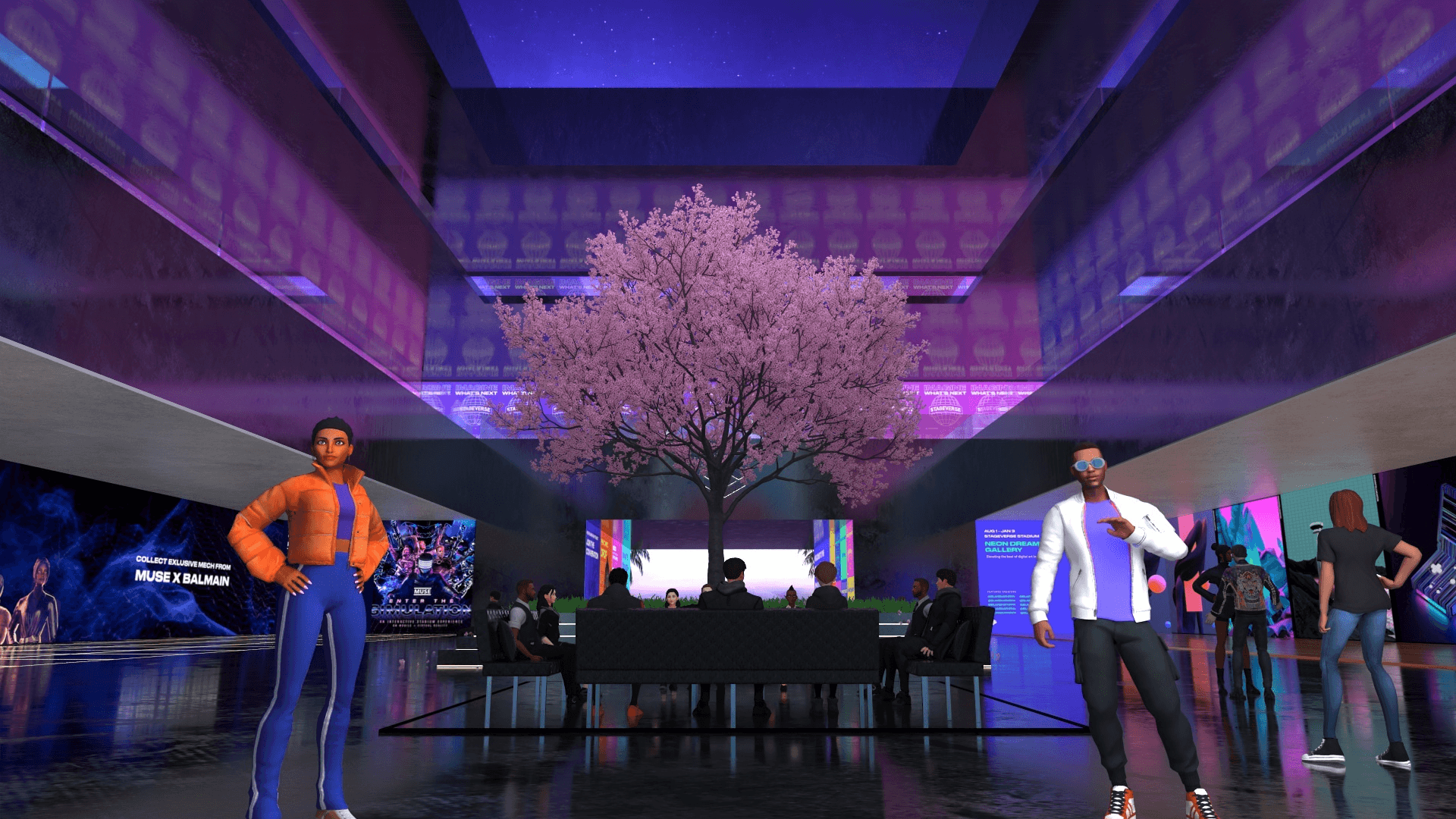
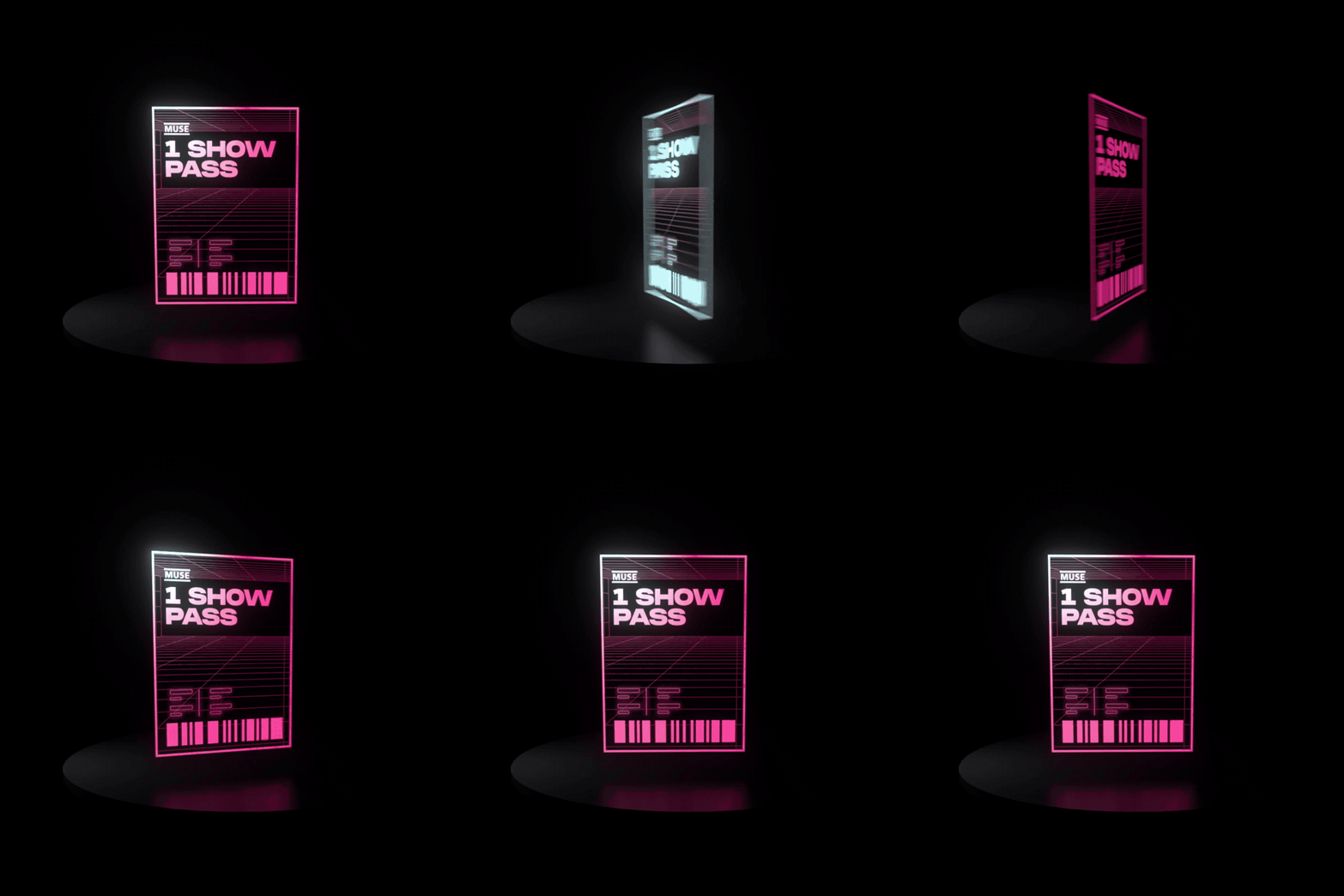
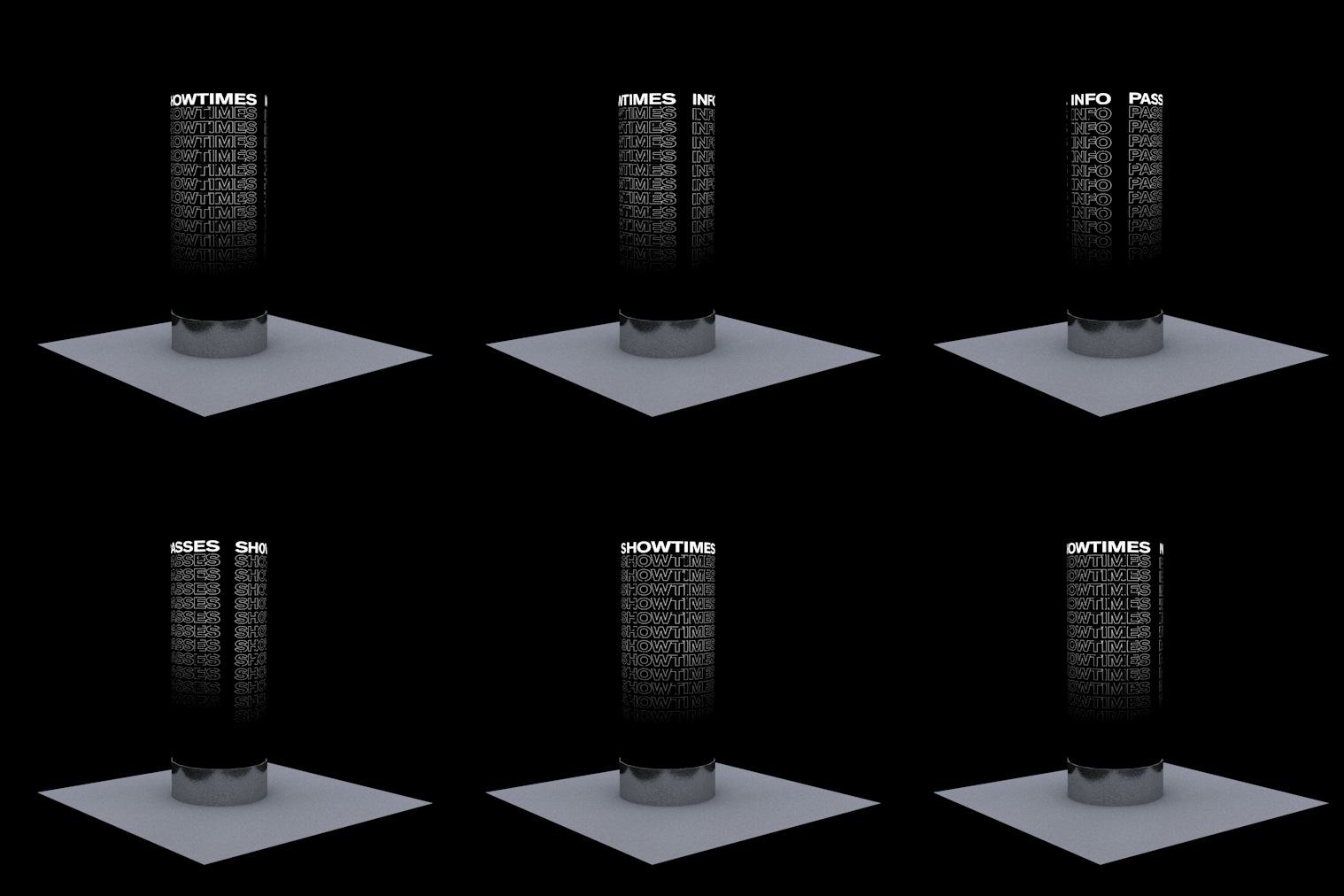
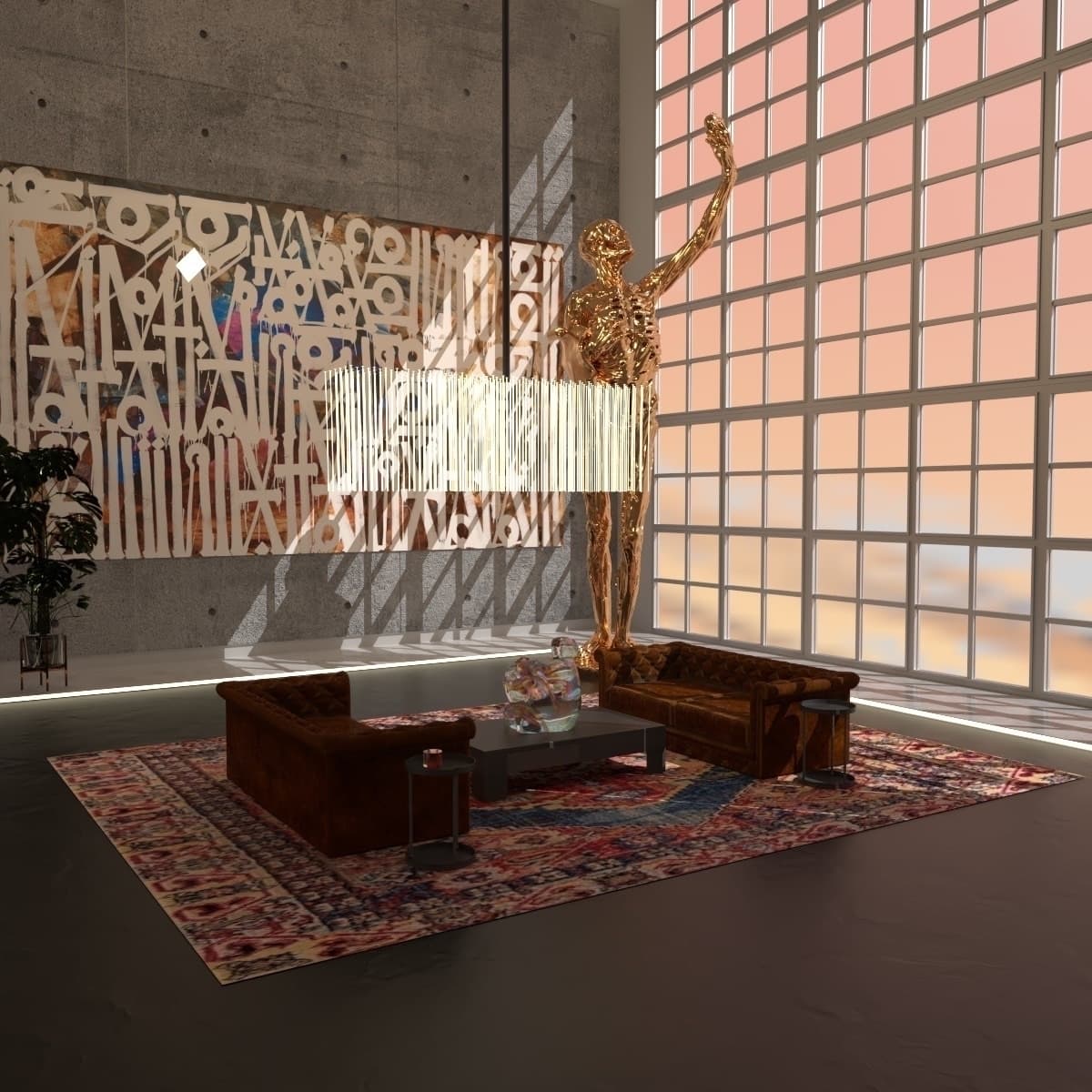
The platform contained spaces for socializing, shopping, and live music. I designed environmental artifacts: interactable 3D elements, gallery walls, and branded posters throughout Center Stage and Stageverse Stadium.

08
Brand & Marketing
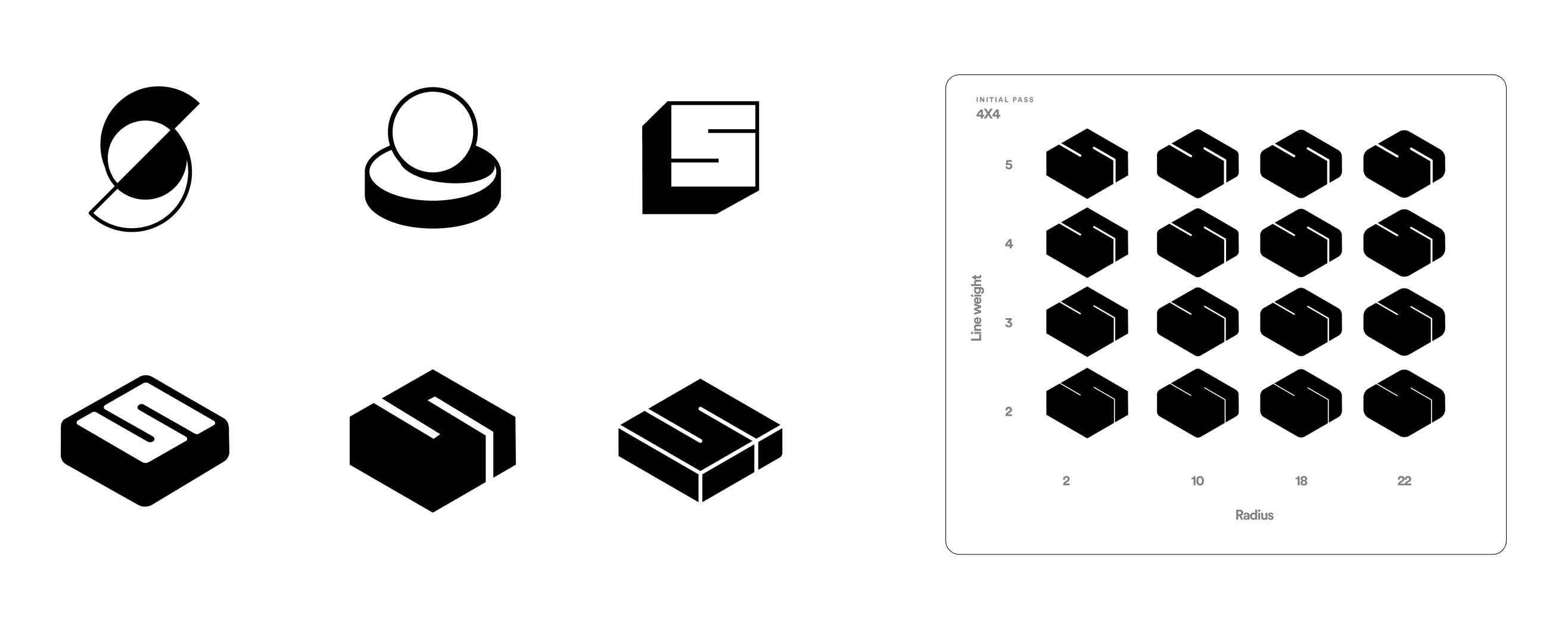
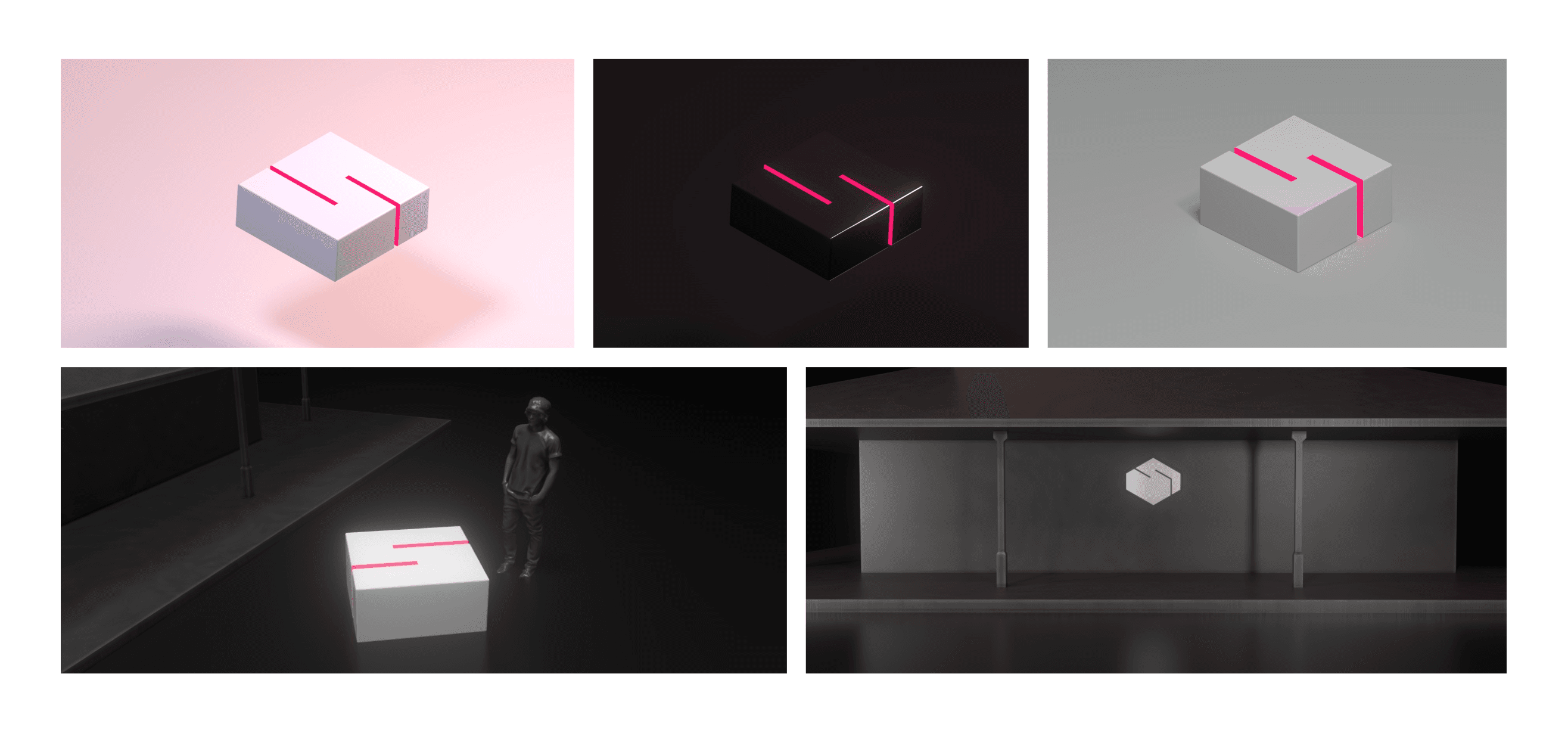
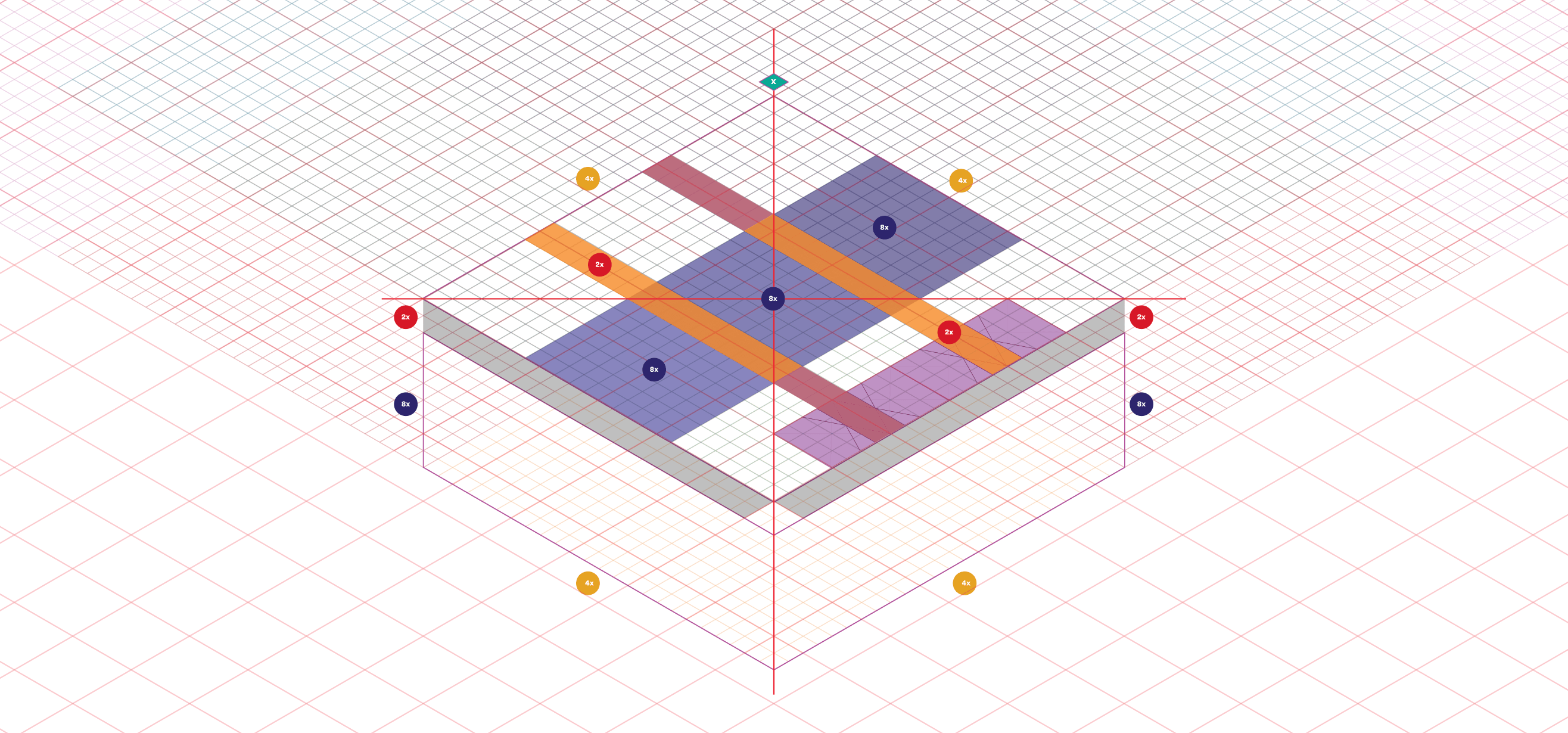
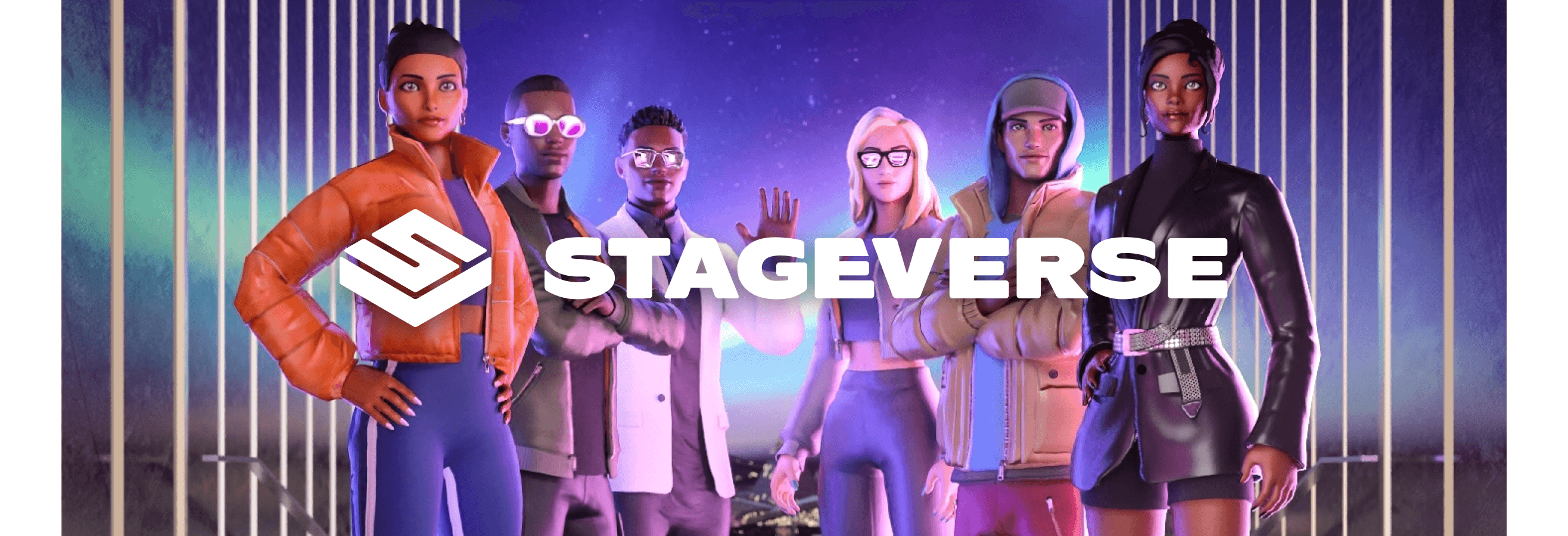
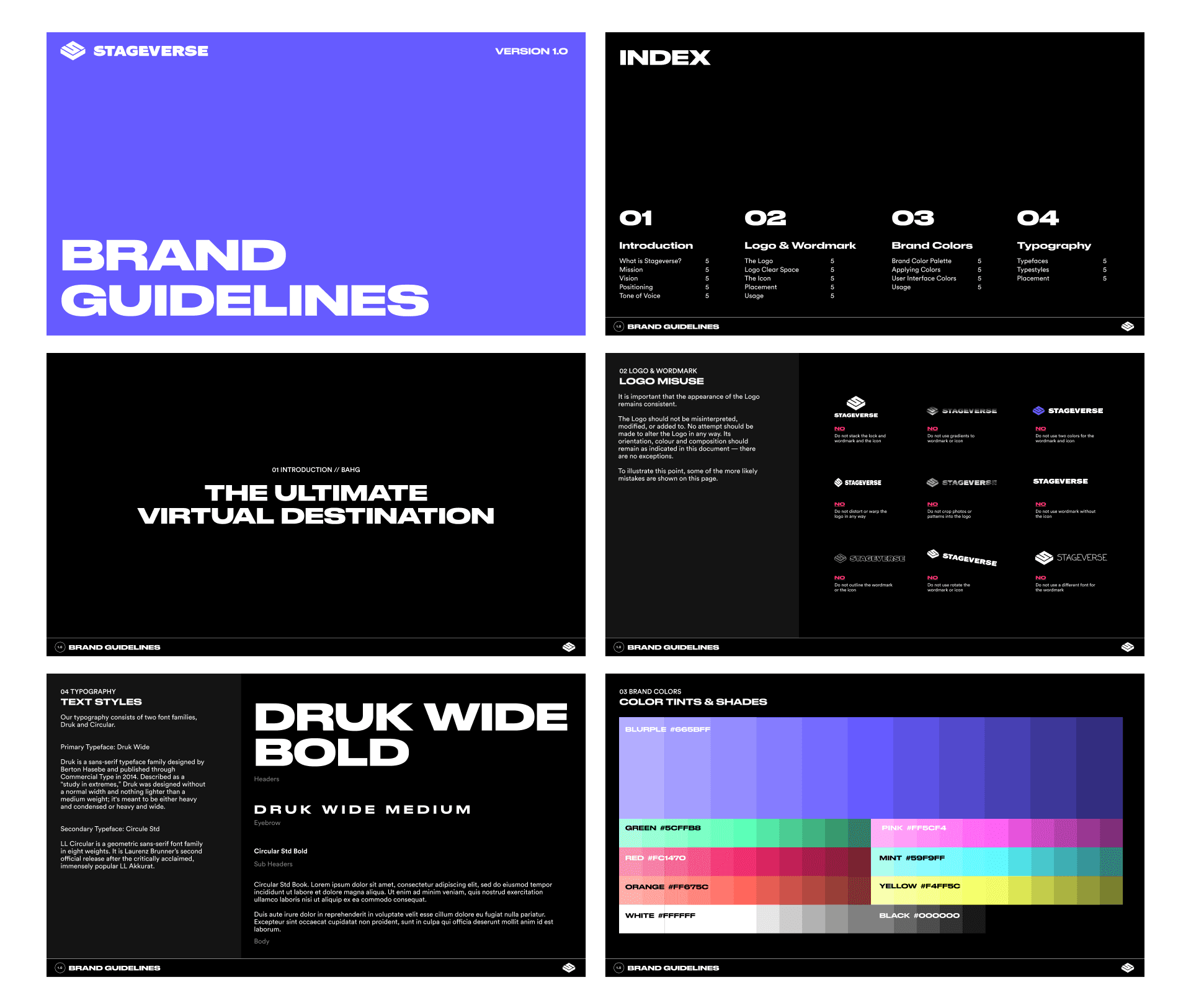
Led the rebrand alongside the CEO before public beta. Explored dozens of logo variations, wordmark lockups, and color palettes. Built elements in 3D to validate how the brand translated to in-world collateral. Codified everything into a brand book for marketing and partners.
09
Marketing Website
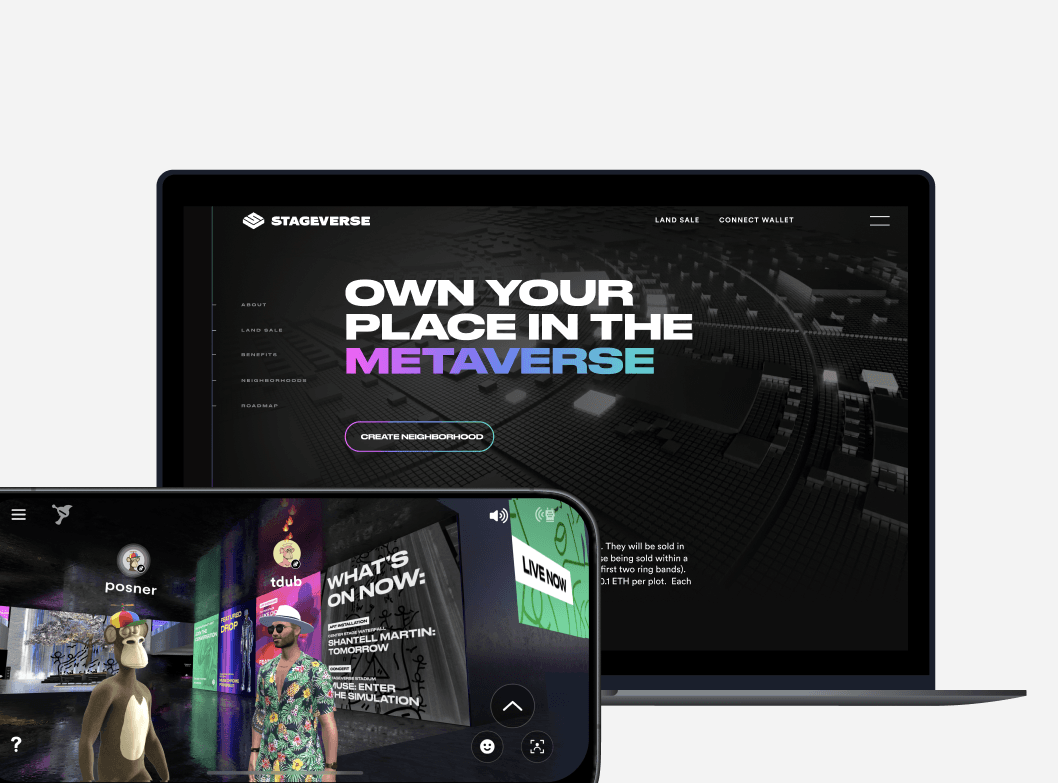
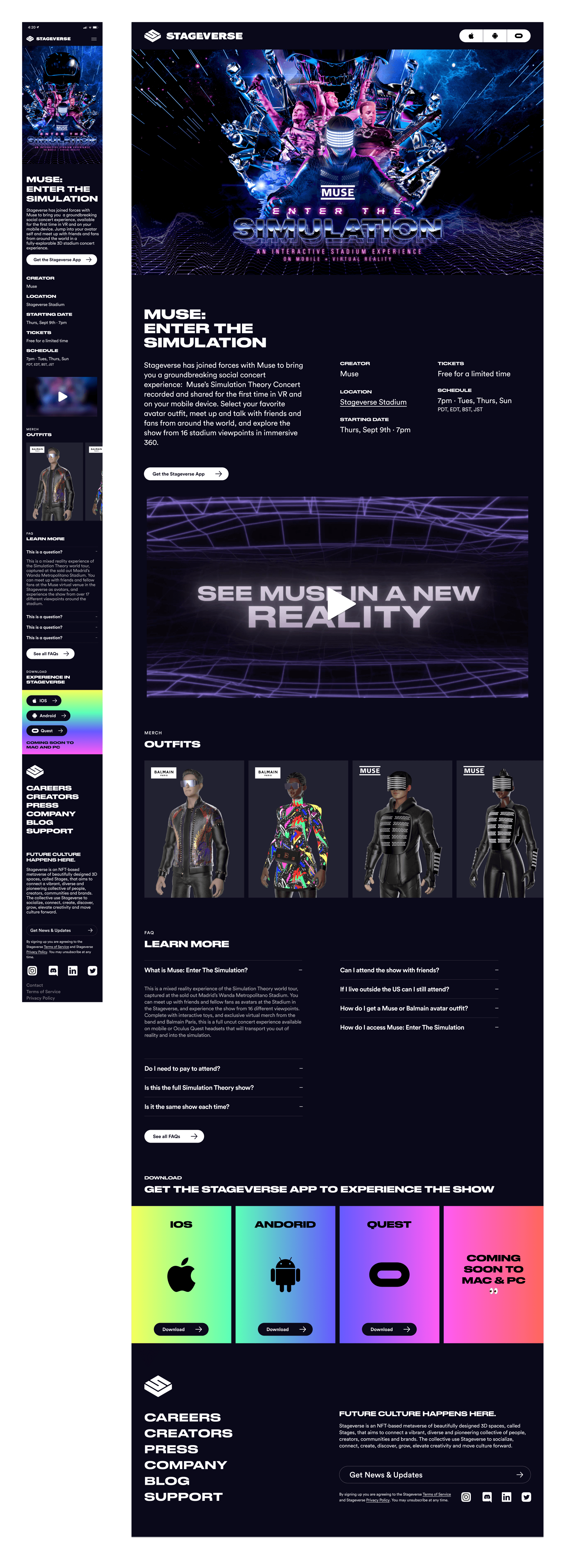
Designed the launch marketing site and a dedicated Muse event page to drive app downloads for their virtual concert. Focused on events, locations, NFT drops, and club memberships.

10
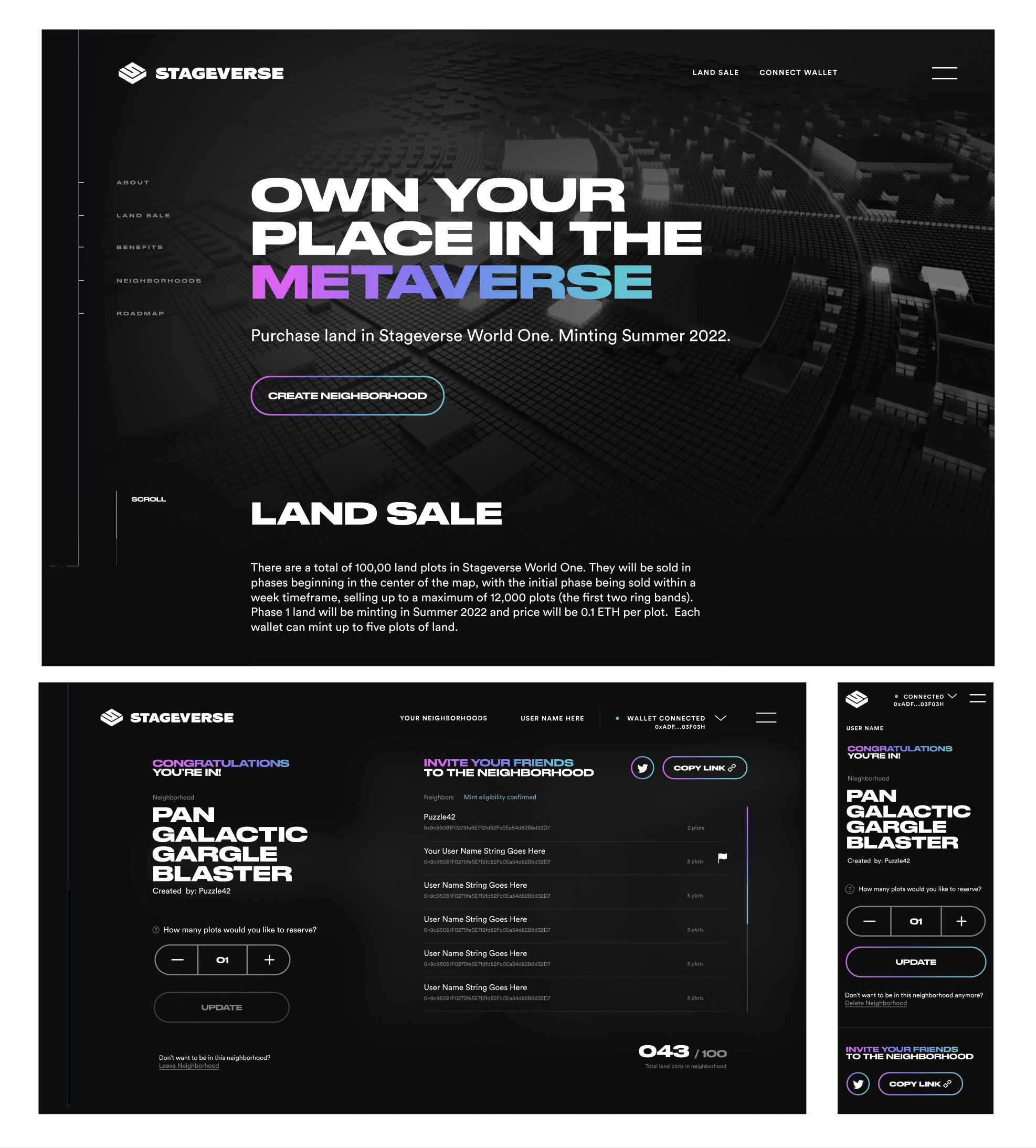
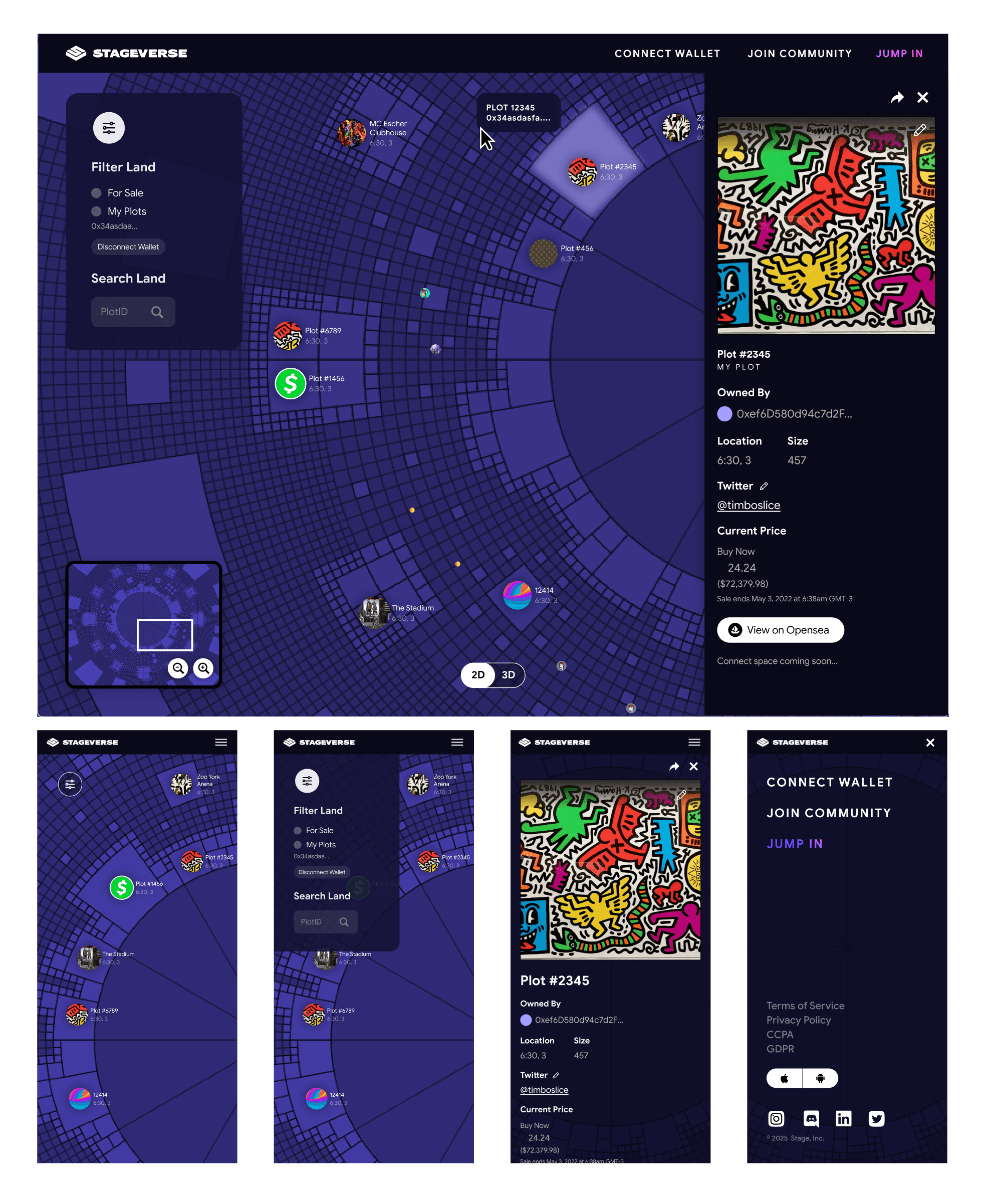
NFT Land Map & Mint Website
Designed the limited digital land sale experience. Users could host events, socialize, and showcase art in galleries. Included a bespoke mint site for purchasing properties via authenticated crypto wallets.